What Is White Peony Root (Bai Shao)?
White Peony Root, commonly known as Bai Shao, refers to the root of Paeonia lactiflora. In pharmaceutical and TCM references, it is also identified as Paeoniae Radix Alba. The medicinal material is the root, not the ornamental peony flower.
For professional identification, botanical name, medicinal part, processing method, and applicable quality standards should be considered together. Commercial names such as White Peony Root, Bai Shao, and White Peony Root Extract may describe different material forms.
White Peony Root Dosage and Preparation
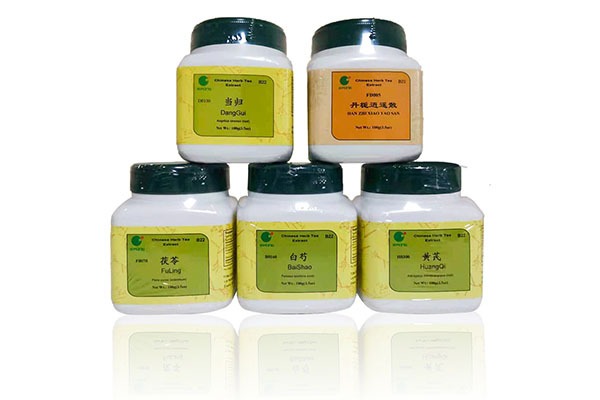
The White Peony Root dosage specified in the Pharmacopoeia is 6–15 g for the crude medicinal material. This figure should not be directly converted into an equivalent dosage for concentrated extracts or TCM granules.
Traditional preparation commonly involves decoction of the herbal material. For manufacturing purposes, however, raw slices, powder, extract, and granules require different specifications because processing changes the material form and concentration.
White Peony Root Extract, Powder, and Granules
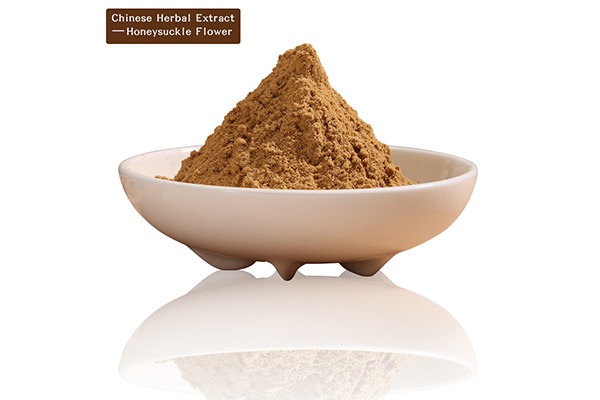
A White Peony Root Extract is produced by processing the herbal material through extraction and concentration. Specifications may include botanical identity, extraction ratio, extraction method, and analytical testing.
White Peony Root Extract Powder differs from raw herb powder because the extract has undergone additional processing. Depending on the product specification, documentation may include:
- Botanical source
- Extraction ratio
- Marker-compound testing
- Moisture and other quality parameters
- Carrier or excipient information, where applicable
White Peony Root Granules are a further processed TCM dosage form. Manufacturing may involve extraction, concentration, drying, and granulation. Their specifications should therefore be evaluated separately from crude-herb dosage.
White Peony Root Quality and Pharmacopoeia Specifications
Quality evaluation can involve botanical identification, appearance, moisture, ash-related parameters, extractive testing, and marker-compound analysis, depending on the applicable standard.
Paeoniflorin testing is particularly relevant when evaluating White Peony Root materials against specified quality requirements. A measured marker-compound level should be understood as an analytical specification, not as a basis for making efficacy claims.
How to Source White Peony Root for Herbal Manufacturing?
When evaluating a White Peony Root Supplier, buyers can request documentation covering:
|
Item |
Information to Check |
|
Botanical identity |
Paeonia lactiflora |
|
Medicinal part |
Root |
|
Material form |
Slice, powder, extract, or granule |
|
Specification |
Extract ratio and applicable markers |
|
Testing |
Relevant quality-control documentation |
|
Processing |
Extraction, concentration, drying, or granulation |
For TCM granule production, understanding the complete route from raw herbal material to finished granules helps buyers compare specifications accurately. Custom requirements should be defined according to the intended product form and applicable standards.
FAQs About White Peony Root
Q1: Is White Peony Root the same as Bai Shao?
A: Yes. Bai Shao is the commonly used TCM name for White Peony Root, also identified as Paeoniae Radix Alba.
Q2: What is the standard White Peony Root dosage?
A: The Pharmacopoeia specifies 6–15 g for the crude medicinal material. This should not be treated as an equivalent dosage for concentrated extracts or granules.
Q3: What is White Peony Root Extract?
A: It is a processed form produced through extraction and concentration, with specifications determined by the manufacturing process and applicable quality requirements.
Q4: What should be checked when purchasing White Peony Root Extract?
A: Check botanical identity, material form, extraction ratio, marker-compound specifications, testing documentation, and processing information.