
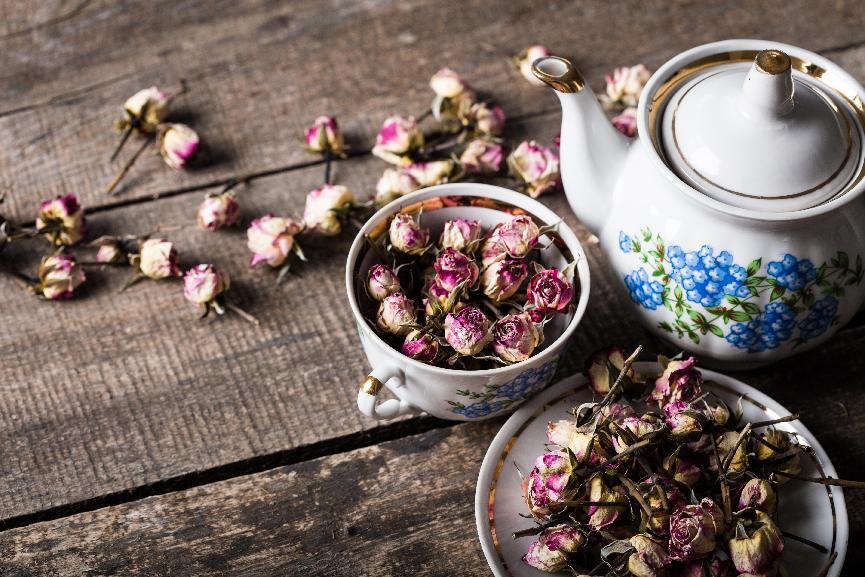
Besides symbolizing love, roses also gained attention among tea drinkers and wellness enthusiasts. They are curious about traditional Chinese medicine(TCM) approaches to daily balance. Often made from dried rose buds, this floral tea is more than just a fragrant drink. In Chinese medical thinking, rose bud tea carries a long history of use.
If you are searching for information about TCM rose tea, rose bud tea, Chinese medical background, or dried rose tea for daily sipping, this guide will walk you through what you need to know clearly and practically.
What Is TCM Rose Tea?
TCM rose tea usually refers to tea made from dried rose buds that are used within the framework of traditional Chinese medicine. Unlike decorative rose teas sold purely for aroma, rose bud tea in Chinese medical tradition is selected and prepared with specific qualities in mind.
Rose is a classic floral ingredient in TCM-inspired daily diets; dried rose buds are selected for concentrated aroma and easy storage, brewed into daily floral tea.
Dried rose tea is a common form used in TCM practice. Compared to fresh roses, dried rose buds are considered more concentrated, easier to store, and more practical for daily brewing. Fresh roses are rarely used directly in traditional tea preparation due to moisture content and shelf-life concerns.
So when people refer to TCM rose tea, they typically mean dried rose bud tea prepared according to traditional understanding rather than a simple flavored floral drink.
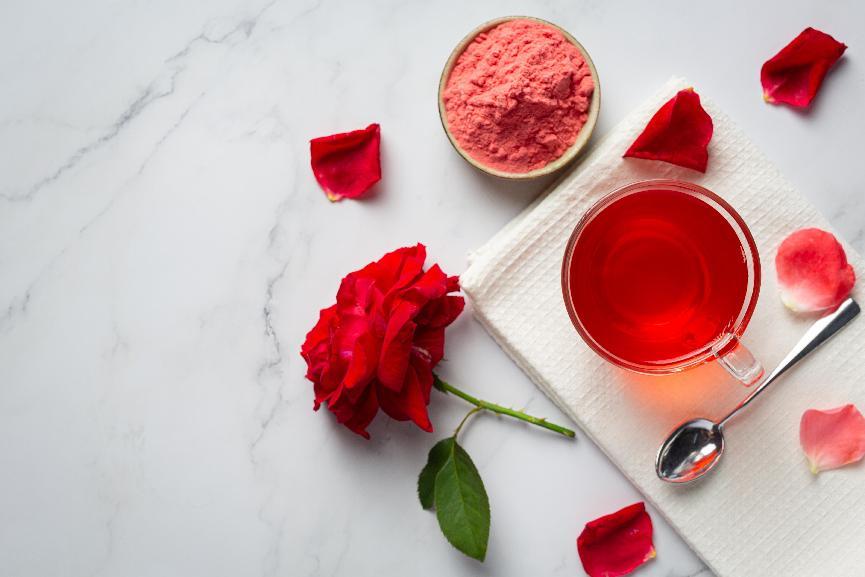
What is TCM Rose Tea for Daily Use?
1. A Calming Moment with Floral Aroma in Daily Life
For those feeling tense from daily life, rose tea’s delicate aroma is a lovely way to enjoy a moment of calm during the day. Many people enjoy brewing rose tea during busy or demanding moments. Its delicate floral aroma creates a pleasant, calming ritual that can create a moment of gentle relaxation in daily life.
2. A Gentle Post-Meal Beverage
After meals or when feeling a slight stuffy feeling in the stomach, people drink rose tea for its light and mild taste, a gentle daily drink for post-meal relaxation. Modern tea drinkers often notice that rose tea feels light and comfortable after meals, making it a gentle option for daily routines.
3. A Pleasant Floral Drink for Daily Wellness
Many people drink rose tea as a daily floral drink; its gentle taste and pleasant aroma make it a popular choice for people who pursue a comfortable daily life and a pleasant physical state.
It is a beloved daily beverage for its nice taste and aroma in daily wellness routines.
4. Dried Rose Tea Benefits in Daily Wellness
For many people, the appeal of TCM rose tea lies in its mild nature. It is not positioned as a strong herbal intervention but rather as a daily wellness tea. Its floral aroma, gentle taste, and traditional background make it attractive for those looking to incorporate traditional practices into modern routines.
Who Should Drink Rose Tea?
Rose tea is popular among people who feel frequent emotional tension or work stress, and women who prefer a mild warm floral drink with a comfortable taste during the menstrual cycle. It’s also a favorite for people who love caffeine-free floral teas.
When discussing menstrual rose tea safety, it is generally considered mild when consumed in moderate amounts, but individual conditions vary.
In addition, people looking for a caffeine-free floral tea for everyday enjoyment often choose dried rose bud tea as part of a gentle self-care routine.
That said, rose tea is not necessary for everyone, and personal constitution plays an important role in traditional Chinese medicine.
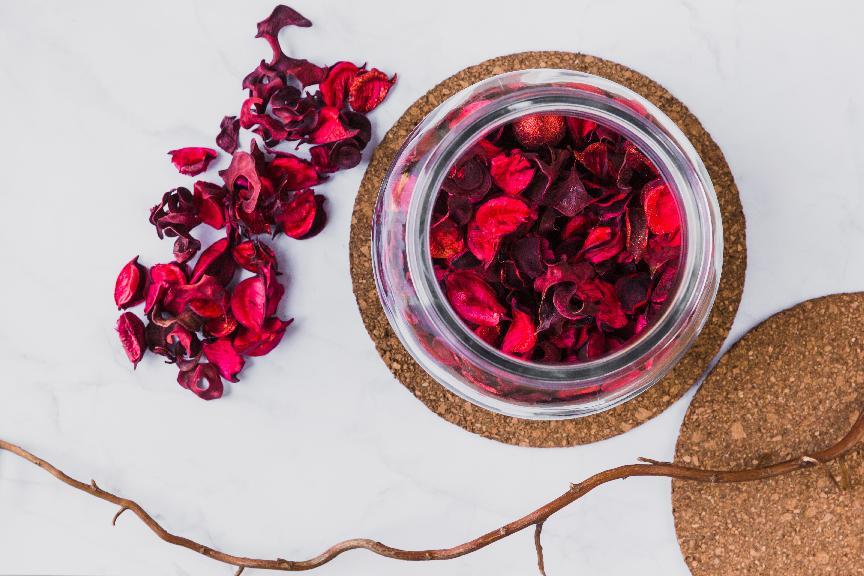
How to Prepare Rose Tea
Preparing TCM rose tea is simple, but small details matter.
- Typically, 3–6 dried rose buds are placed in a cup and infused with hot water.
- Water temperature is recommended around 85–95°C (185–203°F), not fully boiling.
- Steeping time usually ranges from 5 to 10 minutes. Longer steeping will produce a stronger floral flavor.
- Many people ask whether rose tea can be consumed daily. In moderate amounts, dried rose bud tea is often enjoyed as a daily beverage.
However, like any herbal tea, balance is key. Drinking excessive amounts is generally not recommended.
Side Effects and Precautions
When discussing menstrual rose tea safety and overall use, moderation is important.
- Rose tea is generally considered mild, but excessive consumption may cause digestive discomfort in some individuals.
- People who are pregnant or managing specific medical conditions should consult a qualified professional before using herbal teas regularly.
- Regarding drug interactions, rose tea is not commonly associated with strong interactions, but individuals taking medication should exercise caution and seek advice if unsure.
- During menstruation, rose tea is often consumed traditionally, but personal body condition varies. If discomfort increases, it is better to reduce intake.
- As with all herbal products, sourcing quality dried rose buds from reliable suppliers is essential for safety and consistency.
Why Choose YIFANG To Be Your Trusted Supplier of TCM?

As with all herbal products, sourcing quality dried rose buds from reliable suppliers is essential for safety and consistency.
- Companies with established herbal extraction experience.
- Standardized quality control systems.
- Certifications such as GMP and ISO are better positioned to provide stable, traceable raw materials for global markets.
- Choosing a manufacturer with strong technical support and OEM capabilities.
- Ensure product compliance, formulation stability, and long-term supply reliability.
FAQ
Q1: Can I drink rose tea every day?
A: In moderate amounts, many people enjoy rose tea daily as part of a balanced routine.
Q2: Is rose bud tea safe during menstruation?
A: It is traditionally consumed during menstruation, but individual responses differ, so moderation is advised.
Q3: What is the difference between TCM rose tea and regular rose tea?
A: TCM rose tea refers specifically to rose buds used within traditional Chinese medicine theory, while regular rose tea may be purely aromatic.
Q4: Does dried rose tea lose its quality and aroma over time?
A: If stored properly in a cool, dry place, dried rose buds can retain their quality for extended periods, though aroma may gradually fade.
Conclusion
Whether you are exploring rose bud tea Chinese medical traditions or simply looking for a gentle floral tea, understanding both its background and responsible use lets you make informed choices.
Interested in having your own custom OEM Traditional Chinese Medicine products? Contact us.