What Is GMP in Herbal Manufacturing?
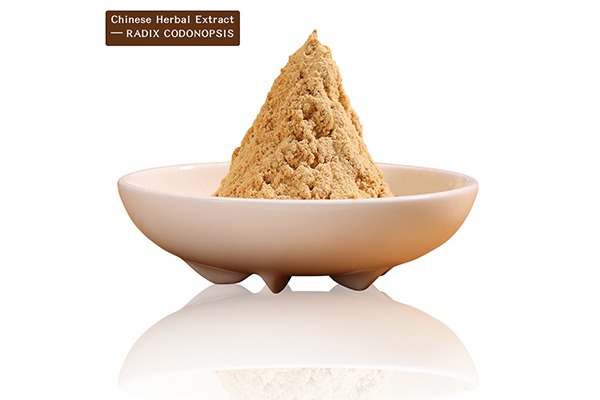
Good Manufacturing Practice (GMP) refers to a system of standards used to control the production process in regulated manufacturing environments. In the context of herbal products manufacturing, GMP establishes documented procedures that guide raw material handling, processing operations, equipment management, and quality verification.
For products derived from botanical materials, including Traditional Chinese Medicine ingredients and TCM raw materials, GMP provides a structured framework to ensure that manufacturing activities follow consistent procedures. These standards cover areas such as personnel training, facility hygiene, equipment maintenance, and production documentation.
Within facilities that produce herbal extract products, GMP systems are applied to manage the complete workflow.
Why GMP Is Important for Herbal Manufacturing?
GMP plays an important role in maintaining standardized production conditions in herbal products manufacturing. Because botanical materials may vary depending on origin, harvest conditions, and processing methods, manufacturing systems must rely on documented procedures to maintain production consistency.
For materials such as Traditional Chinese Medicine ingredients and TCM raw materials, GMP guidelines define how raw materials are inspected, stored, processed, and recorded during production. These procedures support batch management and traceability across different stages of manufacturing.
In facilities that produce herbal extract products, GMP also establishes requirements for laboratory testing, environmental control, and equipment maintenance. These operational standards help manufacturers manage production activities while maintaining documented quality control processes.
Key Components of GMP in Herbal Production
Raw Material Identification
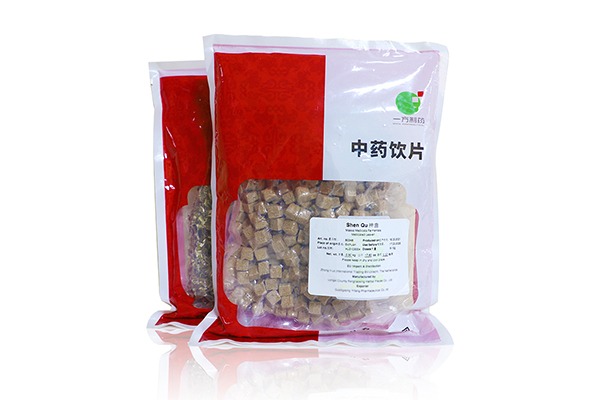
Raw material identification is a fundamental step in the production of Traditional Chinese Medicine ingredients and TCM raw materials. According to the Chinese Pharmacopoeia, herbal materials are verified through botanical identification, origin documentation, and impurity inspection. These procedures ensure that each batch of raw materials used in herbal extract products and other plant-based ingredients meets established quality standards before entering the manufacturing process.
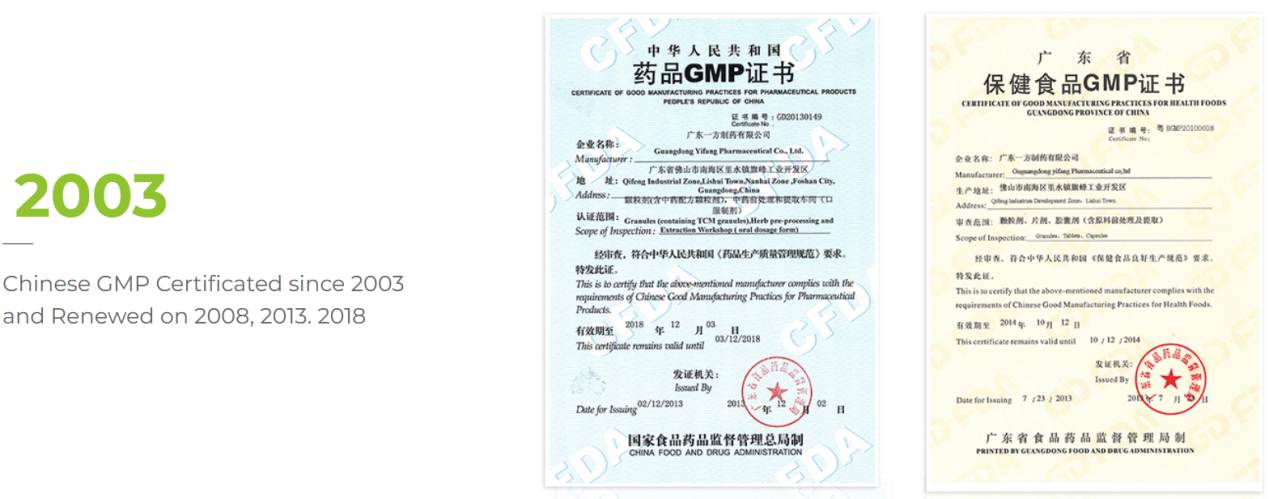
YIFANG has the Water Union Laboratory and CNAS certified laboratory and practice full process quality monitoring from raw medicinal materials, intermediates to finished products by strictly following the GMP requirements.
Manufacturing Process Control
Manufacturing process control refers to the standardized procedures used during herbal products manufacturing. Each stage, from raw material preparation to extraction, concentration, and granulation, follows documented operating procedures. Controlled production parameters help maintain batch consistency and support traceable production records for herbal extract products and other herbal-derived materials.
Laboratory Testing
Laboratory testing is conducted throughout the production cycle to verify the quality of Traditional Chinese Medicine ingredients and TCM raw materials. Testing may include impurity inspection, moisture analysis, and component identification based on pharmacopoeia standards. Certified laboratories perform these analyses to ensure that herbal extract products and related materials comply with internal quality control procedures.
Documentation and Traceability
Comprehensive documentation supports traceability in herbal products manufacturing. Production records, raw material documentation, laboratory reports, and batch information are maintained to track each stage of manufacturing. This traceability system allows manufacturers to review the production history of TCM raw materials and Traditional Chinese Medicine ingredients used in finished materials.
Facility and Equipment Standards
Facilities used for herbal products manufacturing operate under controlled environmental conditions. Production workshops, equipment, and clean rooms are maintained according to GMP requirements. Proper facility management supports standardized production of herbal extract products and helps maintain the handling and processing conditions required for Traditional Chinese Medicine ingredients.
YIFANG Herbals OEM service manufacturer boasts comprehensive research facilities. Welcome to click here to view something about us.
GMP vs cGMP in Herbal Manufacturing
GMP and cGMP are related regulatory concepts used in manufacturing industries. GMP refers to the general framework of Good Manufacturing Practice standards that govern production procedures, facility conditions, and quality documentation.
cGMP stands for “current Good Manufacturing Practice.” The term emphasizes that manufacturing facilities must apply up-to-date technologies, procedures, and quality systems when conducting herbal products manufacturing. The concept of “current” highlights the need for continuous improvement in manufacturing processes.
In facilities handling Traditional Chinese Medicine ingredients and TCM raw materials, both GMP and cGMP principles are used to manage processing environments, equipment operation, and laboratory testing procedures. These systems support the controlled production of herbal extract products through standardized operational requirements.
How Herbal Products Are Manufactured Under GMP Standards?
The production of herbal materials under GMP standards typically follows a structured process designed for traceability and process control.
1. Raw Material Sourcing
Botanical materials used as TCM raw materials are sourced according to documented procurement procedures. Supplier records and origin documentation are maintained to track material sources.
2. Raw Material Inspection
Incoming materials are inspected to verify the identity and condition of Traditional Chinese Medicine ingredients. Identification procedures and impurity checks are performed before materials enter the manufacturing process.
3. Manufacturing Process
Processing steps in herbal products manufacturing may include cleaning, extraction, concentration, drying, or granulation. Each stage follows standardized operating procedures to maintain consistent processing conditions.
4. Quality Testing
During the production of herbal extract products, laboratory testing may be conducted to evaluate material characteristics according to internal quality control procedures.
5. Packaging and Documentation
Finished materials are packaged and labeled under controlled conditions. Batch records and production documentation are maintained to support traceability for Traditional Chinese Medicine ingredients and TCM raw materials.
OEM Herbal Manufacturing Services

OEM services in herbal products manufacturing support the production of customized formulations and packaged materials for different markets. Manufacturers provide production capabilities for products developed from Traditional Chinese Medicine ingredients and TCM raw materials based on client specifications.
Formula customization may involve adjusting ingredient combinations, extraction ratios, or processing methods depending on product requirements. These production activities are performed within standardized manufacturing environments used for herbal extract products.
Contract manufacturing services may also include raw material sourcing, manufacturing operations, packaging options, and batch documentation. Through these services, facilities engaged in herbal products manufacturing support the production of materials derived from Traditional Chinese Medicine ingredients while maintaining traceable production procedures.
Looking for OEM services tailored to your brand? Contact us!
Herbal Manufacturing at Yifang Pharmaceutical
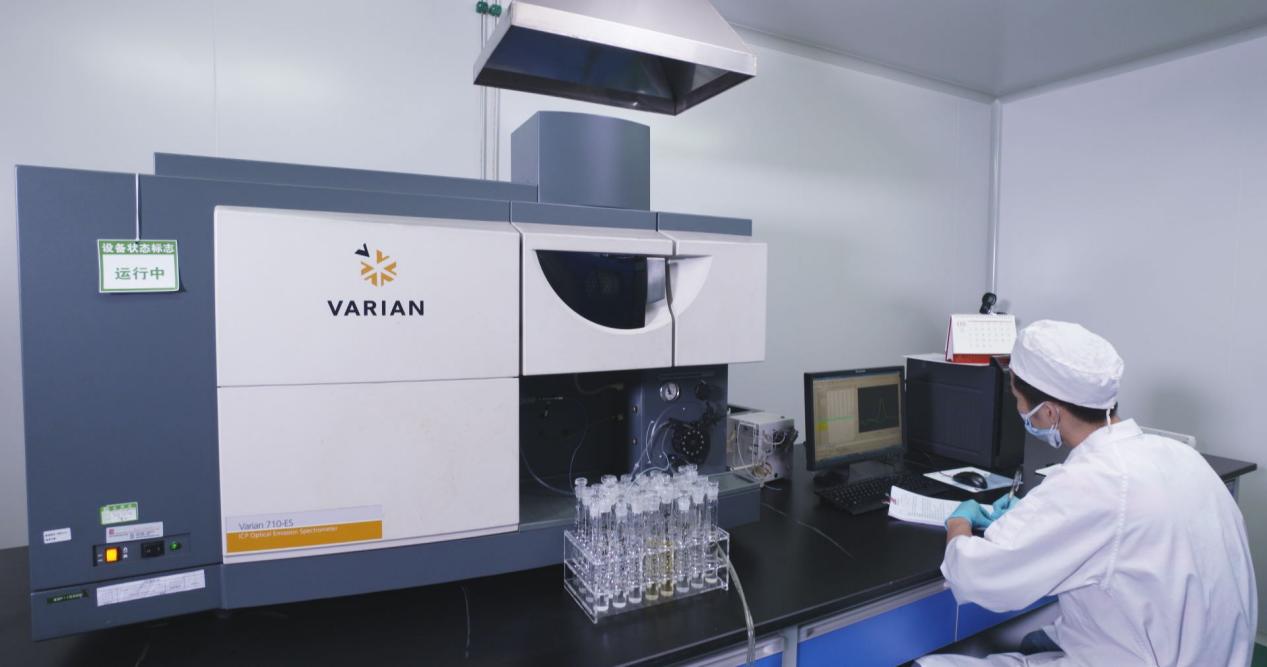
Yifang Pharmaceutical operates manufacturing facilities dedicated to herbal products manufacturing and the processing of Traditional Chinese Medicine ingredients. The production environment includes GMP-compliant workshops, controlled clean room areas, and specialized equipment designed for handling TCM raw materials.
Manufacturing activities involve the processing and production of herbal extract products, supported by internal laboratory testing and documented production procedures. Facilities maintain standardized environmental conditions and operational management systems to support the handling and processing of botanical materials.
The company’s manufacturing infrastructure supports the production of materials derived from Traditional Chinese Medicine ingredients, with documented workflows covering raw material management, production operations, and batch record documentation within the herbal products manufacturing system.
For more information about herbal products manufacturing, Traditional Chinese Medicine ingredients, and herbal extract products, please contact Yifang Pharmaceutical.
FAQS
Q1: What is GMP for herbal medicine?
A: GMP (Good Manufacturing Practice) for herbal medicine refers to standardized production and quality management systems used in herbal products manufacturing. These standards guide the handling, processing, testing, and documentation of Traditional Chinese Medicine ingredients, TCM raw materials, and herbal extract products within controlled manufacturing environments.
Q2: What are the 5 GMP practices?
A: Five commonly recognized GMP practices in herbal products manufacturing include:
- Raw material identification for TCM raw materials
- Controlled manufacturing processes for herbal-derived materials
- Laboratory testing and quality verification
- Documentation and batch traceability
- Facility and equipment management
These practices support standardized production of Traditional Chinese Medicine ingredients and herbal extract products.
Q3: What is GMP in simple terms?
A: In simple terms, GMP is a system of rules and procedures used to manage how products are manufactured. In herbal products manufacturing, GMP helps ensure that Traditional Chinese Medicine ingredients, TCM raw materials, and herbal extract products are processed under controlled and documented production conditions.
Q4: What are the 10 basic principles of GMP?
A: Ten basic GMP principles generally include:
- Quality management systems
- Qualified personnel and training
- Controlled facilities and equipment
- Raw material management
- Standardized production procedures
- Documentation and record keeping
- Laboratory testing and inspection
- Packaging and labeling control
- Storage and distribution management
- Process monitoring and traceability
These principles guide the manufacturing of Traditional Chinese Medicine ingredients, TCM raw materials, and herbal extract products.