
Sleep and mood are closely linked and play a crucial role in daily performance. After a late night, many people notice changes in focus, energy, and overall well-being.
As interest in nighttime routines grows, Chinese herbal teas are increasingly consumed in the evening as part of daily habits. Within Traditional Chinese Medicine (TCM), warm, caffeine-free herbal teas have long been included in nighttime rituals. Today, Chinese sleeping tea is commonly enjoyed before bed as a simple, comforting beverage aligned with relaxation-focused lifestyles.
YIFANG Chinese Herbal Tea
The Sleep Economy Is Growing - Here’s How Herbal Teas Fit Into Nighttime Routines.
The global sleep economy continues to grow as people place greater emphasis on nighttime habits and long-term rest quality. Beyond sleep technology and tracking tools, many individuals focus on daily routines that support evening transitions rather than quick solutions.
Within this trend, herbal teas are commonly consumed before bed as a caffeine-free option for nighttime use. In many cultures, drinking a warm cup of Chinese sleeping tea is part of established evening routines. Rather than focusing on specific outcomes, these practices emphasize consistency, comfort, and ritual.
As part of the broader sleep economy, herbal teas naturally align with habits centered on calm environments, reduced stimulation, and predictable bedtime routines.
7 Traditional Chinese Herbal Teas for Better Sleep.
These 7 Chinese herbal teas are classic caffeine-free warm drinks; people drink them before bed as a daily nighttime routine for their gentle taste and pleasant drinking feeling.
1. Goji Berry Tea(Gou Qi Zi Cha)
Goji berries, also called Gou Qi Zi. Goji berry tea is a mild sweet herbal tea in Chinese daily diet; people steep it in boiling water and drink it before bed for its gentle taste, a simple daily nighttime drink with a pleasant feeling.
To prepare, dried goji berries are added to boiling water and steeped for several minutes. This easy recipe makes goji berry tea a great choice for anyone who likes a light herbal tea for a cozy bedtime routine.
2. Chrysanthemum Tea(Ju Hua Cha)
Chrysanthemum tea, also known as Ju Hua Cha. Made by steeping dried chrysanthemum flowers in boiling water, this tea is known for its light floral aroma and clear, mild taste.
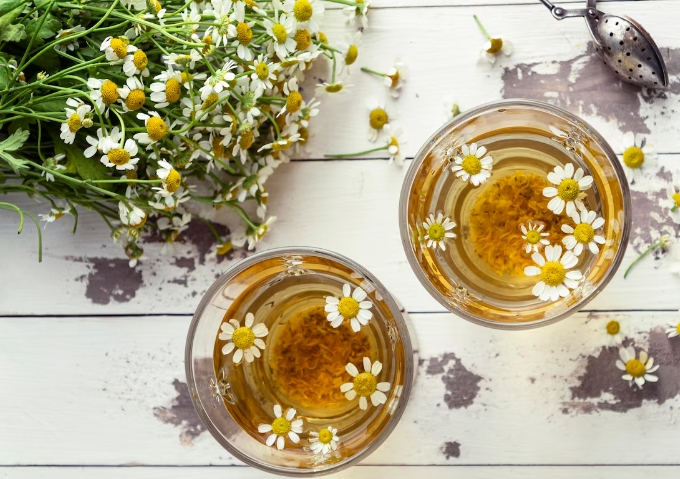
Chrysanthemum Tea(Ju Hua Cha)
Chrysanthemum tea is a classic evening drink in China; after long hours of screen time, people drink it before bed for its light floral aroma and mild taste, a pleasant nighttime choice.
Many people appreciate chrysanthemum tea for its refreshing flavor and the cozy drinking experience in nighttime tea culture.
3. Chamomile Tea(Yang Gan Ju Cha)
Chamomile tea has become widely consumed in modern herbal tea culture. It is often included alongside Chinese herbal teas due to its mild flavor and suitability for nighttime use.
Chamomile tea contains no caffeine and is typically prepared by steeping dried chamomile flowers in hot or boiling water. Its soft aroma and smooth taste make it easy to wind down and enjoy a quiet moment before bed.
4.Jujube Seed Tea(Suan Zao Ren Cha)
Jujube seed tea is a classic warm herbal tea in traditional daily life; people crush and steep it before bed for its mild nutty taste, a familiar nighttime drink choice with a cozy feeling.
The warm and gentle flavor of jujube seed tea makes it a familiar choice for a relaxing evening tea ritual.
5. Licorice Root Tea(Gan Cao Gen Cha)
Licorice root tea is a common warm drink in Chinese herbal blends; people soak it in boiling water and drink it before bed for its smooth and naturally sweet taste, a pleasant daily nighttime tea.
Licorice root tea is made by soaking sliced licorice root in boiling water. This creates a warm and cozy cup of tea with a gentle taste.
6. Lotus Seed Tea(Lian Zi Tea)
Lotus seed tea is a light herbal tea in traditional daily diets; people boil or soak it in hot water and drink it slowly before bed, the warm taste matches the calm evening atmosphere perfectly and brings a gentle feeling.
Lotus seed tea is often enjoyed slowly, allowing the warmth of the tea to create a more cozy and calm evening environment.
7. Lavender and Chinese Herbal Blends
Lavender is not listed in the Chinese Pharmacopoeia, but it is widely used in modern herbal tea blends. When combined with traditional Chinese herbs, lavender contributes aroma and flavor rather than medicinal classification.
Lavender and Chinese herbal blends are typically prepared with boiling water and consumed in the evening.
Final Note on Nighttime Herbal Tea Consumption
For nighttime use, herbal teas are typically consumed 30–60 minutes before bed.
Served warm rather than hot.
Caffeine-free formulations are generally preferred.
Consistent consumption as part of an established evening routine is commonly observed in daily use practices.
Traditional Chinese Medicine(TCM) Perspectives: Herbal Teas and Natural Sleep Habits.
Herbal teas are a nice addition to daily nighttime habits; people drink them with regular sleep schedules and sufficient nightly rest for a more comfortable evening routine.
How To Find High-quality Traditional Chinese Herbal Tea Suppliers?
Choosing a suitable and responsible supplier is crucial; they can provide assurance of product quality and professional service.
Here’s Why You Should Choose YIFANG Herbal Teas:
- OEM available for individual requests with a customized formula.
- Creating customer value with comprehensive solutions and a broad portfolio.
- Global Service Network offers quick responses. This includes customer care and technical support from a skilled service team.
- A high-quality academic team provides strong clinical and educational support.
- Essence of Chinese-Ancient-Medication Evolved into Modern-Practical-Medication Science.
- Specializing in the Production of Single Concentrated Traditional-Chinese Medicine Granules.
- Advanced Engineering Technology Development in the Chinese Medicine Field.
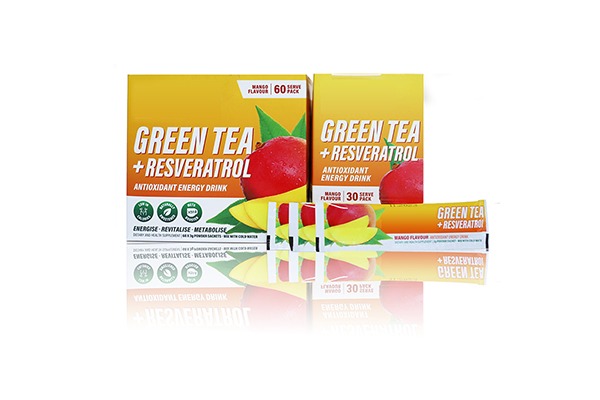
Grand Health Products and OEM Product
FAQS About Herbal Teas For Better Sleep
Q1: Can I drink Chinese tea before bed?
A: Yes, you may enjoy caffeine-free, soothing teas like chamomile tea and avoid stimulating varieties like green tea.
Q2: Is every type of traditional Chinese herbal tea suitable for evening sipping?
A: No, some herbal teas have a gentle, calming taste for evening sipping, while others, like ginseng tea, are more suited for daytime drinking with a refreshing feel.
Q3: What herbal tea can be drunk at night during pregnancy?
A: Gentle caffeine-free teas like chrysanthemum tea are mild and well-liked for daily sipping during pregnancy, making it a pleasant warm drink choice for evening routines (please consult a healthcare provider first).
Q4: Why can’t I just order online or obtain Chinese herbs from local Asian grocery stores?
A: These sources typically lack the formal quality assurance and certifications, such as TGA, GMP, and FSSC 22000, that YIFANG products undergo. YIFANG follows national GMP regulations, with full-range quality inspection from raw materials to finished products. Professional guidance and rigorous quality control ensure consistency and reliability.
Conclusion
Herbal teas consumed before bed are widely integrated into nighttime routines across cultures. When combined with consistent sleep schedules and mindful lifestyle habits, they form part of the broader sleep economy. Instead of looking for quick fixes, having calm evening practices is a common way to support long-term sleep routines.