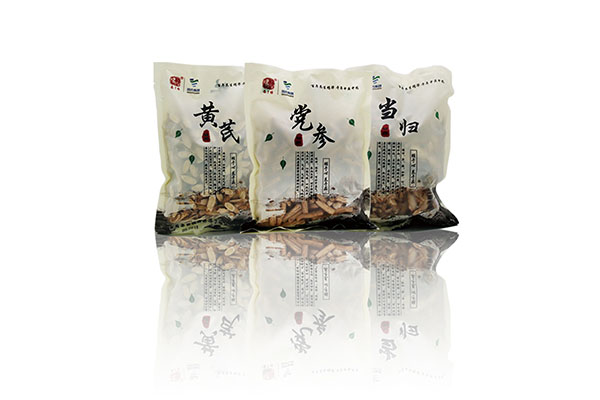
Chinese herbal slices are the most common form of raw herbal materials used in clinics, pharmacies, TCM hospitals, and even at home. They are basically dried and processed pieces of medicinal plants like Dangshen, Huangqi, Danggui, or Jin Yin Hua, cut in a way that is ready for decoction. At first glance, these slices look simple—just roots, stems, leaves, or flowers sliced and dried. But in reality, their quality is affected by many small and important details. Poor-quality slices can lose their aroma, color, active compounds, and even their healing effects. High-quality Chinese herbal slices, on the other hand, can deliver stable benefits and safe results.
Here we will list the key factors that influence the quality of Chinese herbal slices. We will talk about how planting environments, harvesting periods, processing traditions, cutting methods, storage conditions, and packaging decisions all matter.
What Affects the Quality of Chinese Herbal Slices?
1. Origin and planting environment
The first major factor affecting quality is where the herbs are grown. In Chinese herbal medicine, there is a concept called “daodi yaocai”—meaning authentic medicinal herbs that come from the right region. For example, Danggui grown in Gansu is different from Danggui grown somewhere else because of soil, altitude, humidity, and sunlight. Herbs coming from their ideal growing zones often contain higher active ingredients and better medicinal fragrance.
Some Chinese herbal slice suppliers want to cut costs by using herbs from random areas or by mixing materials from different regions. The result is unstable quality. To produce reliable herbal slices, the planting area must match the natural needs of the herb.
2. Seed and cultivation method
Even in the right region, cultivation methods matter. Some herb farms use excessive pesticides or chemical fertilizers to speed growth, while others rely on slow, organic, or semi-wild cultivation. The difference can be seen in the final product:
● Chemical-heavy growing methods may increase yield but lower active compounds.
● Organic or controlled cultivation keeps the medicinal nature stronger, especially for roots like Radix Puerariae, Radix Codonopsis, or Rhizoma Coptidis.
The maturity of the herb is also key. Some plants need 2–3 years to gather enough energy in their roots. Harvesting too early results in weak medicine slices with pale color and poor aroma. For flowers such as Chrysanthemum or Honeysuckle (Jin Yin Hua), timing can be precise to the day. A few days too early or too late can affect flavor and therapeutic strength.
3. Harvesting and timing
Many herbal plants have a golden time for harvest. The active ingredients peak in certain seasons or weather conditions. For roots, late autumn or winter is usually better because the nutrition is stored underground. For seeds or flowers, harvest must be careful and gentle to keep their surface unbroken.
Some factories cut corners: they harvest when it’s convenient, not when the herb is ready. It leads to lower potency, uneven slices, and instability during storage. The best producers harvest only when compounds are in their strongest stage.
4. Processing methods — traditional techniques are important
Even if the raw materials are perfect, wrong processing can destroy everything. Traditional Chinese herbal processing, known as Pao Zhi, has existed for hundreds of years. It teaches how to slice, dry, roast, or steam herbs in ways that protect their useful parts.
Poorly processed slices may look the same, but the internal compounds degrade. Weak processing also causes damage to herb fibers, so they lose fragrance, become too brittle, or change color.
Why traditional methods are still important:
Modern equipment can speed up production, but many rules from classic medical books still guide quality:
● Correct thickness ensures even extraction during boiling.
● Proper temperature prevents scorching of roots and flowers.
● Controlled drying speed avoids internal moisture traps that later grow mold.
YIFANG follows this scientific-traditional combination. Our processing of Chinese herbal slices is led by Chinese authority standards and guided by traditional medical books, which allows us to retain the useful part of the herb, not just the surface appearance.
5. Drying and moisture control
Herbs are plants, and plants contain water. If moisture is not removed correctly, the herbal slices will rot, produce odor, or attract insects during storage. Too much heat can destroy natural oils and medicinal compounds.
There are three typical drying methods:
● Sun drying — gentle but slow, works well for certain flowers, bark, or leaves.
● Hot-air drying — more efficient, but needs careful temperature control.
● Freeze drying — great for volatile or fragile herbs, but expensive.
For high-value materials, manufacturers should test humidity before packing to ensure stability. Inconsistent samples, moisture stains, and uneven surface color are warning signs of bad drying.
6. Slicing thickness and cutting angle
Slicing thickness affects how medicine works in decoctions. If the slices are too thick, the active components dissolve poorly. If too thin, they dissolve too fast and lose essential properties. Traditional references specify optimal thickness for each herb—for example, roots might need 2–3 mm slices, while bark may require thicker layers.
The cutting direction also matters. Cutting along fibers preserves internal structure. Cutting against fibers can make slices fragile and prone to breaking. For certain herbs like Gan Cao, the blade angle influences both appearance and medicinal strength.
7. Contaminants and testing
A crucial but often overlooked factor is purity. Herbs can absorb heavy metals or toxins from soil, or pesticide residues from farming. Good suppliers test materials before processing, not after everything is packaged.
Professional manufacturers check:
● Heavy metals (lead, mercury, cadmium)
● Microbial contamination
● Aflatoxin from mold
● Pesticide residues
8. Storage conditions
After slicing and drying, herbs are still vulnerable. Air, light, and humidity can break down compounds. For example, exposure to sunlight can bleach Chrysanthemum slices or weaken Astragalus roots. Warm temperatures speed oxidation. Cold dampness grows mold.
A stable environment—cool, dry, and dark—is necessary. Many TCM hospitals use climate-controlled storage. In commercial supply, sealed packaging is essential.
9. Packaging and delivery
Good packaging protects the product. Bags that leak air, containers that trap humidity, or reused paper sacks can ruin entire batches. For bulk transport, waterproof and odor-free containers are preferred.
YIFANG uses packing with sachets, bags, or bottles, and we can also provide OEM packing based on customer requirements. It ensures that the herbal slices stay stable during shipping and arrive with their medicinal value intact.
10. Experience and professionalism
Skilled workers understand when a root smells right, when a slice bends properly, or when a flower is too dry. Technology helps, but the human eye and experience still play a role.
Companies that keep specialists in processing lines tend to preserve quality better, because they respect both science and tradition.
Why YIFANG Chinese Herbal Slices Stand Out?
YIFANG works with controlled planting areas, follows classical processing guidelines, and invests in standardized slicing and packaging. Our herbal slices are suitable for herbal pharmacies, exporting suppliers, health product brands, and TCM clinics that require reliable materials.
YIFANG’s approach:
● Pick the best raw material from the right origin
● Process according to authoritative and traditional standards
● Pack professionally for stability and safety
Real quality starts from the source. If you are looking for Chinese herbal slices for wholesale or OEM solutions, it is worth browsing more of YIFANG’s products.
Conclusion: High-quality Herbal Slices with YIFANG
The quality of Chinese herbal slices is shaped by many layers: planting area, harvest timing, traditional processing, dryness, slicing, storage, and packaging. Every stage influences the final result. When done wrong, the herb becomes just dried plants. When done right, it becomes real medicine.
As a manufacturer that respects both tradition and modern standards, YIFANG provides Chinese herbal slices that keep their natural power and safety. Our experience with specialized herbal planting zones and authoritative slice processing can help you build trust. If you need stable quality for your products or want OEM packaging, consider YIFANG and explore our solutions.