Overview of Traditional Chinese Medicine Products in Modern Contexts
Traditional Chinese Medicine (TCM) includes established practices developed over time in China. In contemporary settings, herbal products are subject to standardization, manufacturing regulations, and quality management systems.
General Information on TCM Concentrated Granules
Production Standards and Regulatory Framework
TCM concentrated granules are produced from single-herb materials through processes including water-based extraction, separation, concentration, drying, and granulation. Production follows relevant national standards and complies with Good Manufacturing Practice (GMP) requirements.
Yifang Pharmaceutical operates a 5000+ square meters GMP standard workshop with 300,000-level professional clean room equipped with constant sources of water, electricity and engineering supply facilities. This supports an annual output of 200 tons of TCM granules production. Australian Drug Administration GMP approval supports worldwide sales accessibility. An efficient EPR system ensures precise manufacturing, inventory management and real-time monitoring.
Raw Material Sourcing and Traceability
Quality control begins with raw material sourcing. Systems emphasize traceability from origin, adherence to applicable pharmacopoeia standards for herbal materials, and full-process quality management from herbal slices through intermediate extracts to finished granules. This aligns with requirements for establishing standards for medicinal materials, prepared slices, intermediates, and finished products.
Comparison with Traditional Forms
- Chinese Herbal Slices: Processed raw herbal materials after cleaning, cutting, and other preparation steps, used in traditional decoction methods.
- TCM Concentrated Granules: Produced via standardized extraction and granulation as an alternative format, providing pre-measured portions in small packages for handling convenience.
Production processes aim to maintain alignment with reference decoction characteristics where applicable, including aspects such as extract yield and consistency indicators.
Common Practices in Traditional Chinese Medicine
TCM typically includes several categories of practice:
- Chinese herbal products such as raw herbs, processed slices, and herbal extracts
- Acupuncture, which involves stimulation of specific points on the body
- Tai Chi, a movement-based practice focusing on coordination and balance
These practices may be used individually or in combination depending on the application context.
Current Research and Observations on Traditional Chinese Medicine
Chinese Herbal Product
Chinese herbal products are widely recognized components of Traditional Chinese Medicine (TCM). They are available in multiple forms, including Chinese herbal slices, Chinese herbal extract, and TCM concentrated granules.
According to the Pharmacopoeia of the People’s Republic of China, for example:
Licorice: “Tonifies the Spleen and replenishes Qi, clears heat and resolves toxicity, dispels phlegm and relieves cough, alleviates spasms and relieves pain, and harmonizes the effects of other herbs.”
Chinese Herbal Slice
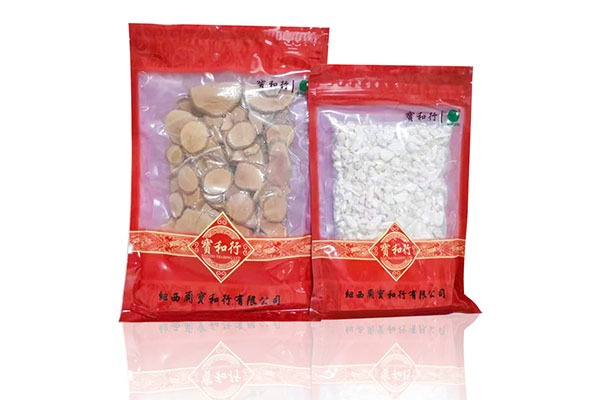
Chinese herbal slices refer to processed raw herbal materials that have undergone cleaning, cutting, or other preparation steps. These are commonly used in traditional decoction-based applications.
Chinese Herbal Extract
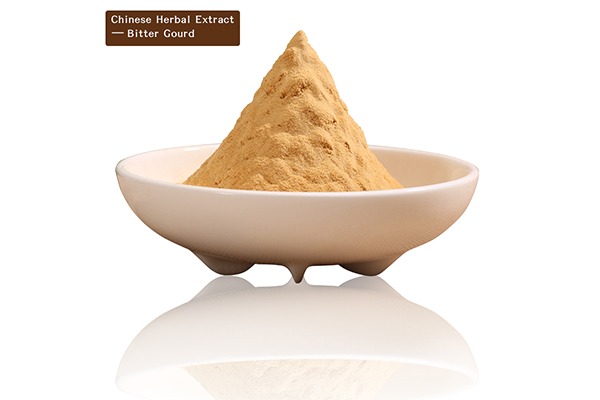
Chinese herbal extract is produced through standardized extraction processes to obtain specific components from raw herbs. This form is often used in modern manufacturing environments for consistency and controlled production.
Traditional Chinese Medicine Concentrated Granules Small Package
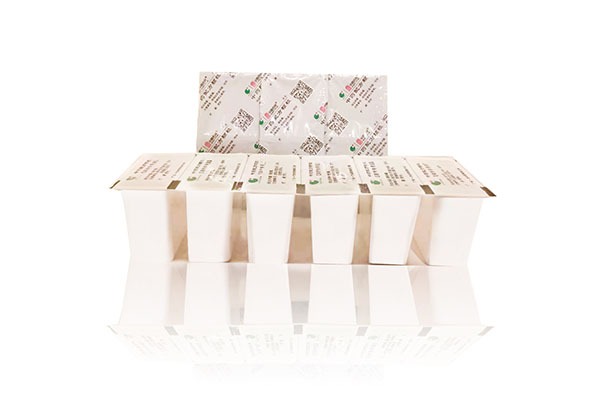
Small-package TCM concentrated granules are designed for convenient use. They are typically pre-measured and individually packed, which may support standardized handling in certain application scenarios.
Traditional Chinese Medicine Concentrated Granules
TCM concentrated granules are produced by extracting and concentrating herbal materials into granule form. This format is commonly used as an alternative to traditional decoctions in modern settings.
Acupuncture
Acupuncture is a practice that involves the stimulation of specific points on the body, typically using fine needles. It is internationally recognized aspects of traditional Chinese medicine.
Tai Chi
Tai Chi is a traditional practice that combines slow, coordinated movements with breathing and posture control. It is widely practiced as a form of physical activity and is often associated with balance and coordination training.
Production Process Highlights
- Extraction: Water-based heating extraction consistent with granule preparation guidelines.
- Quality Control: Multi-stage standards covering raw materials, processing, and finished products, including testing for identification, impurities, and content where specified.
- GMP Compliance: Full adherence to production quality management norms, including clean processes and cross-contamination controls.
Regulatory and Quality Considerations
Traditional Chinese medicine products are regulated differently across regions. In many cases, regulatory frameworks may involve:
- Good Manufacturing Practice (GMP) standards
- Raw material sourcing and traceability
- Quality control during production
- Compliance with local regulatory requirements
For Chinese herbal products such as Chinese herbal extract or TCM granules, consistency and quality management are important factors in modern manufacturing environments.
TCM products are subject to regional regulations. Key elements include GMP standards, raw material traceability, production quality control, and compliance with pharmacopoeia and national drug standards. Emphasis is placed on full-chain quality management systems.
Additional Considerations
When evaluating traditional Chinese medicine, it is important to consider:
- Differences between traditional use and modern research
- Variability across products and preparation methods
- The role of standardization in large-scale production
- Regional differences in acceptance and regulation
These factors contribute to how TCM is understood and applied in different contexts today.
FAQs About Traditional Chinese Medicine (TCM)
Q1: What are TCM concentrated granules?
A: TCM concentrated granules are processed herbal products made by extracting and concentrating single-herb materials into granule form according to established production processes.
Q2: What is the production process for TCM concentrated granules?
A: It generally involves water heating extraction, solid-liquid separation, concentration, drying, and granulation, conducted under GMP conditions with reference to relevant quality standards.
Q3: How do small-package TCM concentrated granules support standardized handling?
A: Small packages provide pre-measured portions, facilitating consistent dispensing and use in applicable settings.
Q4: What role does traceability play in quality control?
A: Traceability systems help document the origin and processing history of materials, supporting overall quality management from sourcing to finished product.
Q5: What standards apply to TCM granules production?
A: Production complies with national pharmacopoeia, granule general rules, GMP, and specific technical requirements for quality control and standard setting.
When considering TCM products, attention is given to manufacturing standards, quality variability management, and the importance of professional supervision in accordance with applicable regulations. For detailed product information, refer to official channels or authorized distributors.