TCM Formula Granules and Traditional Decoction Pieces represent two important forms in the application of Chinese herbal medicine. YIFANG Pharmaceutical as a TCM granules manufacturer, TCM Formula Granules are produced through modern extraction and granulation processes, while Traditional Decoction Pieces refer to the raw or processed herbal materials used for preparing decoctions. This article provides an objective overview of their production methods, characteristics, and differences, with a focus on manufacturing standards and practical considerations for suppliers and brands.
Production Process of TCM Formula Granules
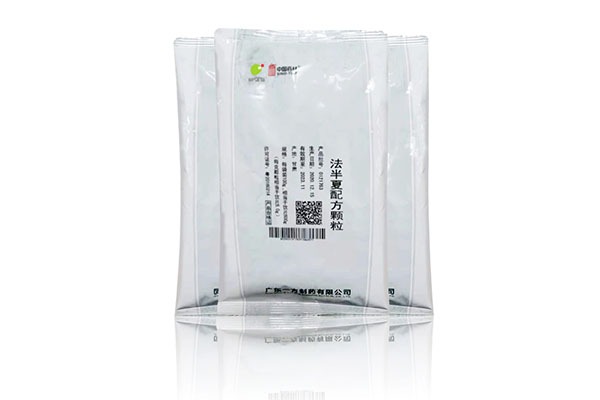
TCM Formula Granules are manufactured in controlled facilities following standardized procedures. The process typically includes extraction of individual herbs, concentration of the extracts, drying, and granulation. This approach allows for consistent output in GMP TCM Granules Factory environments.
Overview of Manufacturing Steps for TCM Formula Granules
In a GMP TCM Granules Factory, raw herbal materials undergo cleaning, extraction with water or appropriate solvents, filtration, concentration under reduced pressure, spray drying or vacuum drying, and finally granulation. The granules are then packaged in individual sealed units. This modern production supports large-scale operations. For example, facilities with 5000+ square meters GMP standard workshop and 300,000-level professional clean room can achieve an annual output of 200 tons of TCM granules production, supported by Australian TGA GMP approval.
Role of TCM Granules Manufacturer in Ensuring Consistency
A professional TCM Granules Manufacturer uses advanced equipment and quality management systems to maintain uniformity in particle size, solubility, and composition. EPR systems help with precise manufacturing, inventory management, and real-time monitoring. This contributes to reliable supply for Herbal Formula Granules Wholesale and OEM TCM Granules orders.
Characteristics of Traditional Decoction Pieces
Traditional Decoction Pieces are prepared through cleaning, slicing, drying, and other classical processing methods. Users then soak and boil the pieces in water to create a decoction.
Traditional Preparation Method of Decoction Pieces
Preparation involves soaking the pieces, followed by boiling for a period that can reach around 90 minutes per dose, with attention to water volume, heat control, and sequence of addition. This results in a liquid form taken internally.
Common Challenges in Using Traditional Decoction Pieces
The process requires time and equipment for daily preparation. The pieces occupy more volume, which can affect portability and storage, especially for larger quantities. Consistency may vary depending on preparation conditions.
Key Differences Between TCM Formula Granules and Traditional Decoction Pieces
Convenience and Storage Comparison
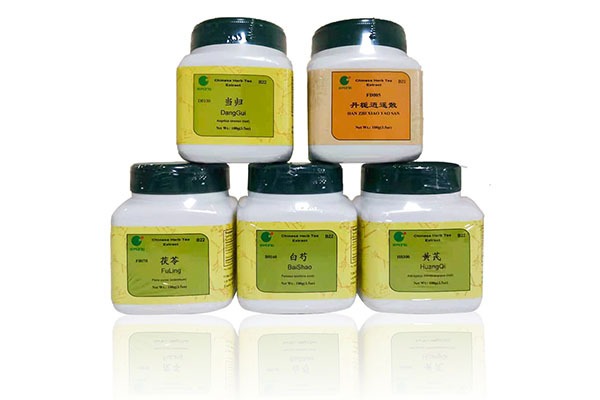
TCM Formula Granules come in sealed individual packages that are easy to carry and store without special conditions. Traditional Decoction Pieces generally need more space and careful storage to avoid moisture or degradation. Granules eliminate the need for daily boiling, offering practical advantages in modern settings.
Production Scale and Quality Management
TCM Formula Granules support industrialized production in GMP TCM Granules Factory settings, enabling standardized quality control from raw materials to finished products. Traditional Decoction Pieces are often prepared on a smaller scale, with quality depending more on individual preparation. Chinese Herbal Granules produced under GMP standards provide traceability and testing for parameters such as heavy metals and residues.
Raw Material Processing and Traceability
In TCM Formula Granules manufacturing, herbs are processed individually before granulation, supporting full supply chain traceability from planting bases to finished goods. Traditional Decoction Pieces retain more of the original plant form but may involve less centralized quality monitoring in some cases.
|
Aspect |
TCM Formula Granules |
Traditional Decoction Pieces |
|
Production Method |
Modern extraction, concentration, granulation in GMP facilities |
Classical slicing and processing; user-prepared decoction |
|
Scale |
Industrial, suitable for OEM TCM Granules and bulk supply |
Smaller scale or individual preparation |
|
Packaging & Storage |
Sealed individual packs, convenient |
Larger volume, requires suitable conditions |
|
Quality Control |
Standardized testing in TCM Granules Manufacturer facilities |
Varies with preparation method |
|
Supply Form |
Chinese Herbal Granules for wholesale and custom use |
Raw or sliced herbs for decoction |
Applications in OEM and Custom Formulation
Advantages for Brand Development Using TCM Formula Granules
For brands seeking customization, TCM Formula Granules offer flexibility in OEM services. A reliable TCM Granules Manufacturer can support Custom Herbal Granules development, including single herb concentrated granules and classical formula combinations. This aligns with demands for Herbal Formula Granules Wholesale and export markets such as TCM Granules for Australia.
Considerations for Choosing Between the Two Forms
Selection depends on specific needs. TCM Formula Granules suit scenarios requiring portability, standardization, and large-volume supply. Traditional Decoction Pieces may fit contexts where classical preparation methods are preferred. Many operations combine both forms within the supply chain.
Conclusion
TCM Formula Granules and Traditional Decoction Pieces each serve distinct roles in the Chinese herbal medicine ecosystem. TCM Formula Granules provide standardized production and convenience through GMP TCM Granules Factory processes, while Traditional Decoction Pieces maintain classical preparation approaches. As a TCM Granules Manufacturer with self-owned planting bases and professional R&D team, Yifang supports OEM/ODM services for Chinese Herbal Granules and Herbal Formula Granules Wholesale, backed by GMP standards and efficient supply chain management.