
What Is Licorice in Chinese Herbal Medicine?
Licorice, commonly referred to as licorice root, is a plant material widely used in licorice Chinese medicine and traditional herbal systems. In the context of licorice root TCM, it is typically included as a processed or raw botanical ingredient within various traditional preparations.
In Chinese herbal medicine, licorice is recognized as one of the commonly used plant materials in herbal formulations. It is usually prepared in dried form and can be used in decoctions, powders, or sliced pieces depending on traditional preparation methods.
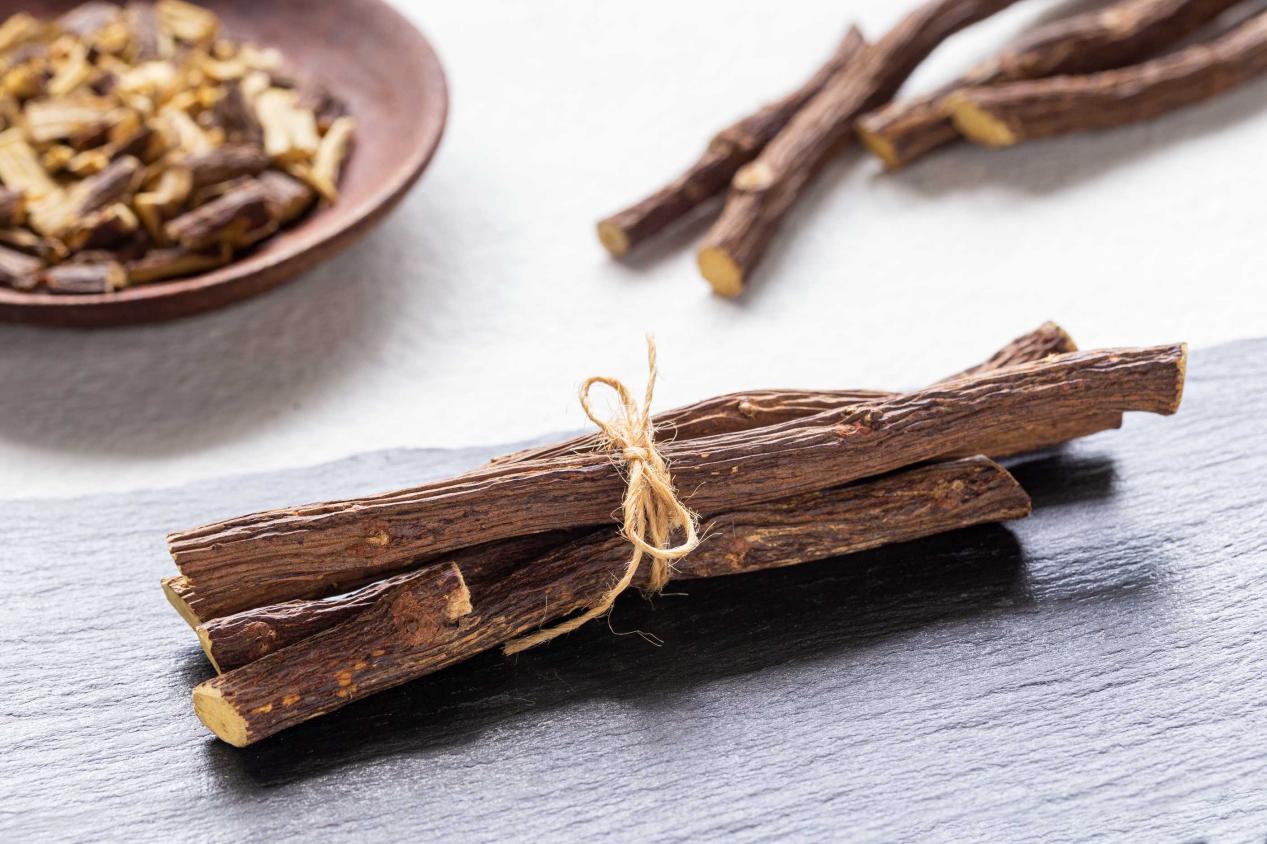
What Part of the Licorice Plant Is Used?
The primary part used in licorice Chinese medicine is the root. After harvesting, the root is cleaned, dried, and prepared for use in different forms.
Forms of Licorice Root in TCM
In licorice root in TCM, the material may appear in several forms:
- Whole dried root
- Sliced root pieces
- Processed root (such as heat-treated forms)
These variations are part of standard material handling practices in Chinese herbal medicine.
Raw Licorice vs Processed Licorice
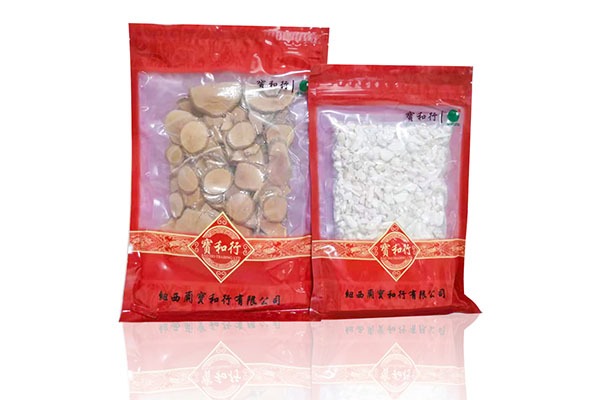
A common distinction in licorice root TCM is between raw and processed forms.
Raw Licorice
Raw licorice refers to the dried root that has undergone minimal processing after harvest.
Processed Licorice
Processed licorice, often referred to as prepared licorice root, is typically treated using traditional preparation methods such as heating with additional ingredients. This results in a different physical form compared to raw licorice.
Understanding Raw Licorice vs Processed Licorice
The difference between raw licorice vs processed licorice is primarily related to preparation techniques and material handling. Both forms are used in Chinese herbal medicine depending on the formulation and traditional practices.
How Licorice Is Processed in Traditional Chinese Medicine?
Processing is an important step in preparing licorice for use in licorice Chinese medicine. Traditional methods may include cleaning, slicing, drying, and controlled heating.
Common Preparation Steps
- Harvesting and cleaning the root
- Drying to reduce moisture content
- Cutting into uniform slices
- Additional processing to create prepared licorice root
These steps are part of standard preparation techniques in licorice root TCM.
Licorice in Herbal Formulas
Licorice is frequently included in traditional formulations within Chinese herbal medicine. It is commonly seen as a component in multi-ingredient preparations.
Licorice in Herbal Formulas
The presence of licorice in herbal formulas is widely observed across different traditional preparations. It may appear alongside roots, flowers, or fruits in combined formulations.
Use in Decoctions
In licorice root TCM, licorice is often prepared as part of a decoction. The sliced root is typically boiled together with other herbal materials following traditional preparation methods.
The Role of Licorice in Chinese Herbal Practice
Within licorice Chinese medicine, licorice is recognized as a commonly used ingredient in traditional herbal systems.
Common Inclusion in Formulations
Licorice appears in a wide range of Chinese herbal medicine formulations. Its inclusion is part of established herbal preparation practices.
Use in Traditional Herbal Combinations
In many cases, licorice is used together with other plant materials as part of multi-ingredient blends. These combinations reflect the structure of traditional herbal formulation methods rather than single-ingredient use.
Cultural Context of Licorice in Chinese Medicine
Licorice has a long history of use in Chinese herbal traditions. In licorice root TCM, it is often referenced as part of broader herbal systems that emphasize combinations of plant materials.
Historical Use
The use of licorice in Chinese herbal medicine is documented across various traditional practices and preparation methods.
Role in Herbal Systems
Licorice continues to be included in modern applications of licorice chinese medicine, reflecting continuity between historical and current herbal preparation approaches.
General Considerations for Licorice Use
Material Selection
When preparing licorice root TCM, selecting clean, well-processed materials is important for consistency.
Storage
Dried licorice root is typically stored in a dry and stable environment to maintain its physical condition.
Usage Context
This article provides general information about licorice in herbal formulas and Chinese herbal medicine practices. It does not serve as medical or professional advice.
FAQs
Q1: What is licorice Chinese medicine?
Licorice Chinese medicine refers to the use of licorice root as a material in traditional Chinese herbal systems and formulations.
Q2: What is licorice root TCM?
Licorice root TCM describes licorice root as it is prepared and used within Traditional Chinese Medicine practices.
Q3: What is the difference between raw licorice vs processed licorice?
Raw licorice is minimally processed dried root, while processed forms, such as prepared licorice root, undergo additional preparation steps.
Q4: How is licorice used in herbal formulas?
Licorice in herbal formulas is typically included as one component among multiple plant materials in traditional preparations.