What Is Rose Tea in Traditional Chinese Herbal Practices?
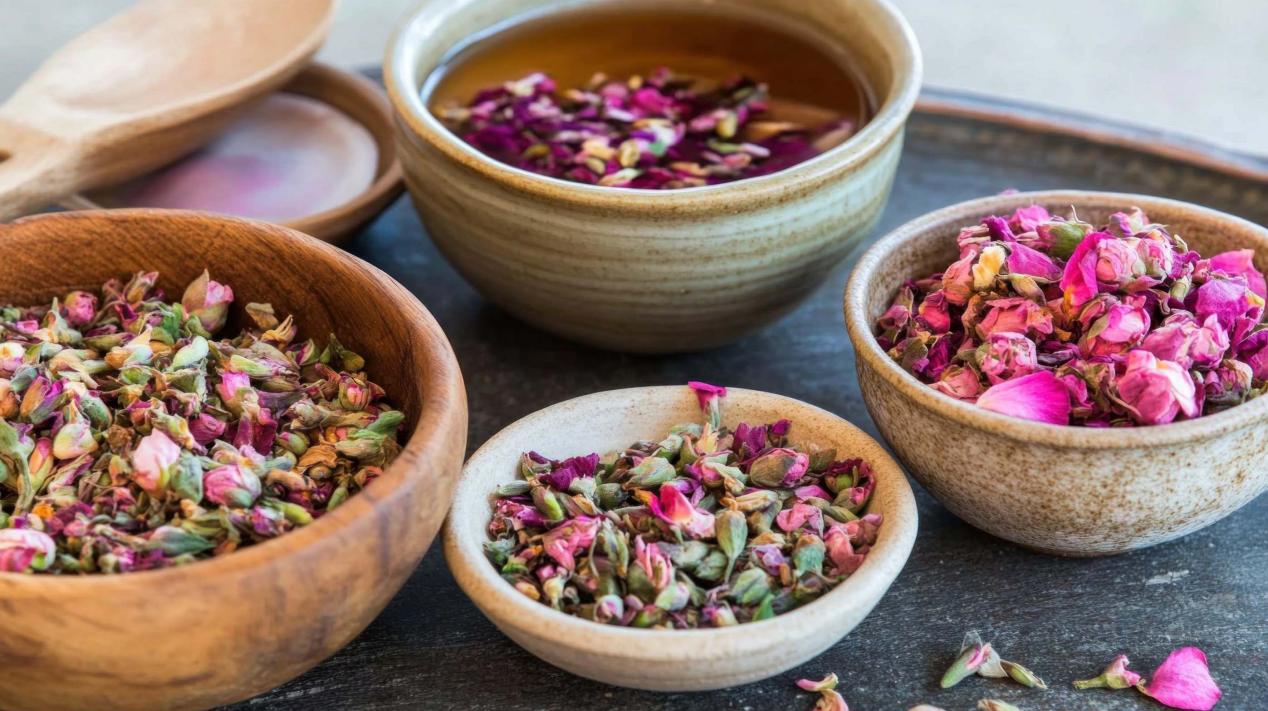
Rose flower refers to the dried flower buds of Rosa rugosa Thunb., processed according to established standards for use in traditional Chinese medicine systems. In modern applications, such materials are subject to standardization, manufacturing regulations, and quality management systems.
YIFANG Pharmaceutical (E-FONG) produces TCM concentrated granules and related herbal materials under GMP standards, supporting applications in professional settings and OEM/Grand Health Products lines.
General Information on Rose Flower Materials
Pharmacopoeia Reference (Exact Text)
According to the Pharmacopoeia of the People’s Republic of China:
"Rose Flower is sweet, slightly bitter and warm; it enters the liver and spleen channels."
Production Standards and Regulatory Framework
TCM rose flower materials and concentrated granules are produced from selected herbal sources through processes including controlled drying, extraction, separation, concentration, drying, and granulation where applicable. Production follows relevant national standards and complies with Good Manufacturing Practice (GMP) requirements.
YIFANG Pharmaceutical operates a 5000+ square meters GMP standard workshop with 300,000-level professional clean room equipped with constant sources of water, electricity and engineering supply facilities. This supports an annual output of 200 tons of TCM granules production. Australian Drug Administration GMP approval supports worldwide sales accessibility. An efficient EPR system ensures precise manufacturing, inventory management and real-time monitoring.
Raw Material Sourcing and Traceability
Quality control begins with raw material sourcing. Systems emphasize traceability from origin, adherence to pharmacopoeia standards for identification and characteristics (such as harvesting at the stage when buds are about to open), and full-process quality management. This aligns with requirements for establishing standards for medicinal materials, prepared slices, intermediates, and finished products.
Differences in Material Forms
- Dried Rose Buds: Harvested before full bloom and processed under controlled conditions for use in traditional preparations.
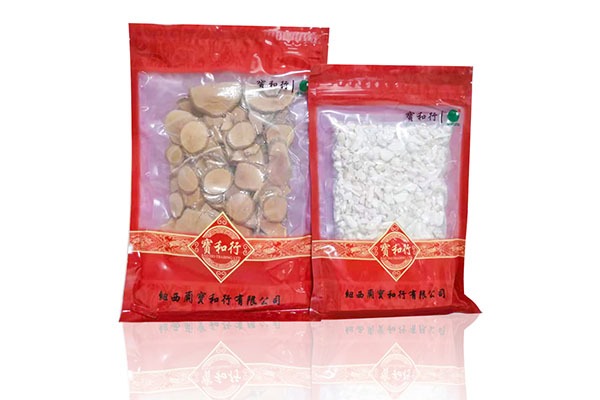
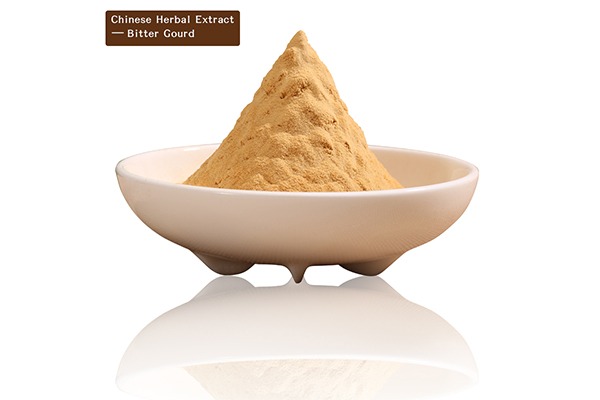
- TCM Concentrated Granules: Produced via standardized extraction and granulation as an alternative format, providing pre-measured portions in small packages for handling convenience in applicable settings.
Production of Rose Buds Process Highlights
- Harvesting and Drying: Buds are collected according to pharmacopoeia timing and subjected to controlled drying methods to maintain quality indicators such as shape, color, and moisture content.
- Quality Control: Multi-stage standards covering raw materials, processing, and finished products, including testing for identification, impurities, and content where specified.
- GMP Compliance: Full adherence to production quality management norms, including clean processes and cross-contamination controls.
How to Prepare Rose Tea in Daily Use (TCM - Inspired Methods)?
Basic Brewing Method for Rose Tea
A common way to prepare TCM rose tea is by placing a small amount of dried rose buds into a cup and adding hot water. The tea is then left to steep for several minutes before consumption.
Water Temperature and Steeping Time
In general practice, hot water that is not boiling is often used for rose bud tea TCM, allowing the buds to gradually release their aroma. Steeping time may vary depending on personal preference.
Common Combinations in Chinese Herbal Tea Practices
In Chinese herbal tea, rose is sometimes combined with other plant ingredients such as jujube, goji berries, or chrysanthemum. These combinations are part of traditional preparation styles and are typically chosen based on taste and customary use.
Regulatory and Quality Considerations
TCM products are subject to regional regulations. Key elements include GMP standards, raw material traceability, production quality control, and compliance with pharmacopoeia and national drug standards. Emphasis is placed on full-chain quality management systems for traceable, standardized materials.
General Disclaimer in Herbal Use Context
This article provides general information about Chinese herbal tea practices. It does not serve as medical or professional advice. Individual choices should be based on personal needs and appropriate guidance.
FAQs
Q1: What are the pharmacopoeia standards for rose flower?
A: According to the Pharmacopoeia of the People’s Republic of China, rose flower is the dried flower bud of Rosa rugosa Thunb., with specified properties and characteristics.
Q2: What is the production process for TCM rose flower concentrated granules?
A: It generally involves controlled harvesting, drying, water-based extraction, concentration, drying, and granulation, conducted under GMP conditions with reference to relevant quality standards.
Q3: How do small-package TCM concentrated granules support standardized use?
A: Small packages provide pre-measured portions, facilitating consistent dispensing and handling in applicable professional settings.
Q4: What is the difference between edible and herbal-grade rose materials?
A: Herbal-grade materials comply with pharmacopoeia standards for medicinal use, including specific variety identification and quality requirements, supported by traceable sourcing systems.
Q5: What standards apply to rose flower production?
A: Production complies with national pharmacopoeia, GMP, and specific technical requirements for quality control and standard setting.
Q6: Is rose bud tea TCM the same as regular rose tea?
A: Rose bud tea TCM usually uses whole dried buds, while general rose tea may also include petals or blended forms.
Q7: How is Chinese herbal tea different from regular tea?
A: Chinese herbal tea is made from various plant materials such as flowers, roots, or fruits, rather than traditional tea leaves.
Q8: Can rose tea be consumed daily?
A: Rose tea is commonly included in daily tea routines in traditional contexts, depending on individual preferences.
When considering TCM products, attention is given to manufacturing standards, quality variability management, and the importance of professional supervision in accordance with applicable regulations. For detailed product information, refer to official channels or authorized distributors of YIFANG Pharmaceutical (E-FONG) materials.