
Many people incorporate warm beverages into their daily routines. Among various herbal teas, chrysanthemum tea is often mentioned in discussions around traditional dietary practices. Chrysanthemum tea is very popular in Asia, particularly in China and neighboring countries. It is a beloved caffeine-free herbal drink enjoyed for generations across Asia as part of daily traditional diets.
What Is Chrysanthemum Tea?
Chrysanthemum tea is a herbal infusion made from dried chrysanthemum flowers. It is naturally caffeine-free and is typically prepared by steeping the flowers in hot or boiling water. The resulting tea is light in color, with a mild floral aroma and a clean, refreshing taste.
In many Asian countries, chrysanthemum tea is consumed as part of everyday life. It may be enjoyed at different times of the day, including after meals or in the evening. On the market, chrysanthemum tea is available in various forms, such as loose dried flowers, tea bags, and blended herbal tea formulations.
For brand owners and product companies, chrysanthemum tea represents a familiar and widely accepted herbal tea category. Its long history of consumption and simple ingredient profile make it a common choice in herbal tea portfolios.
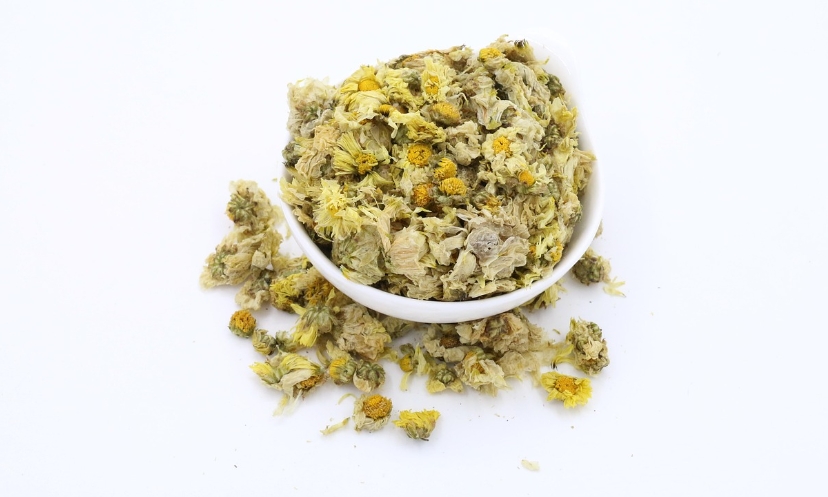
Chrysanthemum Flowers
Chrysanthemum Tea in Today’s Herbal Tea Market
In recent years, consumer interest in herbal teas has grown alongside increased awareness of daily wellness routines. Chrysanthemum tea remains a frequently recognized product within this category, particularly in markets influenced by traditional Asian tea culture.
Chrysanthemum tea offers several practical advantages. The raw material is well-established, supply chains are relatively stable, and the product can be positioned as a single-ingredient tea or combined with other herbs in blended formulas. This flexibility makes it suitable for OEM and ODM development across different markets.
Rather than relying on strong functional claims, many brands position chrysanthemum tea around its cultural background, taste profile, and suitability as a caffeine-free beverage. This approach aligns with current regulatory expectations and consumer preferences for transparency and simplicity in herbal tea products.
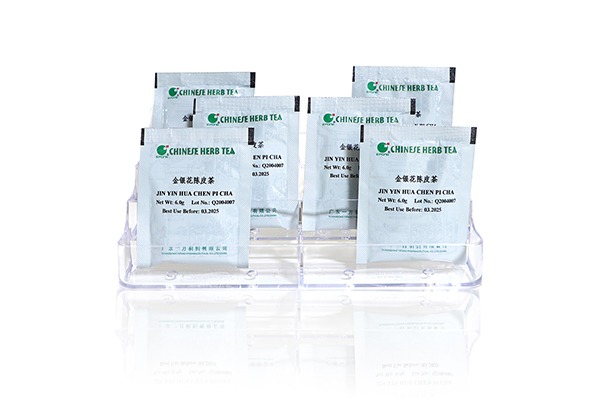
YIFANG Oversea Certified Products
How Chrysanthemum Tea Is Traditionally Described in TCM
Chrysanthemum is a classic floral ingredient in Asian traditional daily diets, and it has been brewed into tea for generations as a natural caffeine-free drink. It’s a popular daily beverage choice with a long cultural drinking history in Asia.
Understanding this traditional background provides context for why chrysanthemum tea continues to be discussed and consumed today.
In What Situations Is Chrysanthemum Tea Commonly Used?
For a Comfortable Throat in Daily Life
People brew chrysanthemum tea for its warm and mild taste, a comforting daily drink choice.
Today, many people choose chrysanthemum tea in these situations mainly for its light taste, warm texture, and the pleasant drinking experience it brings in seasonal life.
YIFANG Chinese Herbal Tea
For a Refreshing Feel in Hot Weather
In hot weather or when feeling stuffy and warm in the body, people drink chrysanthemum tea for its fresh taste that brings a mild refreshing feeling, a popular summer drink. In modern use, chrysanthemum tea is typically appreciated as a refreshing, caffeine-free beverage for a pleasant summer drinking experience.
For a Gentle Feel for the Eyes After Daily Screen Time
After long hours of screen time or studying, when eyes feel dry, tired and strained, people drink chrysanthemum tea as a daily habit for a relaxing daily experience, bringing a gentle feeling to the eye area.
For Soothing and Cooling Characteristics
When people want to relax their body and mind and get a mild refreshing sensation, they choose chrysanthemum tea, a warm floral tea with gentle and comforting feelings.
For Sleep & Mood
For Sleep: With light floral aroma and easy preparation, chrysanthemum tea fits nighttime routines; many people drink it at night as a caffeine-free option for the warm and comforting feeling.
For mood: Many people find chrysanthemum tea a relaxing drink in daily life; its gentle aroma creates a calm atmosphere in casual dining, bringing a sense of comfort and ease.
Consumers often associate the experience with comfort and enjoyment, influenced by flavor, aroma, and the surrounding environment rather than any defined functional outcome.
How to Prepare Chrysanthemum Tea?
Actually, chrysanthemum tea is made from chrysanthemum flowers. They are present in East Asia. To make chrysanthemum tea, in either a pot or a tea cup, water is boiled, and chrysanthemum flowers are put into the pot. The temperature is kept at 90 to 95 degrees Celsius. Wolf berries and rock sugar are added to it. The aroma of the drink is just like flora. The color of the drink can be either pale or bright yellow; it can also be anything in between. Chrysanthemum tea is quite popular in China. There is a tradition in China that, once this tea is taken again in the same pot, hot water with flowers is put in. In comparison to the original tea, the resultant will be less strong.
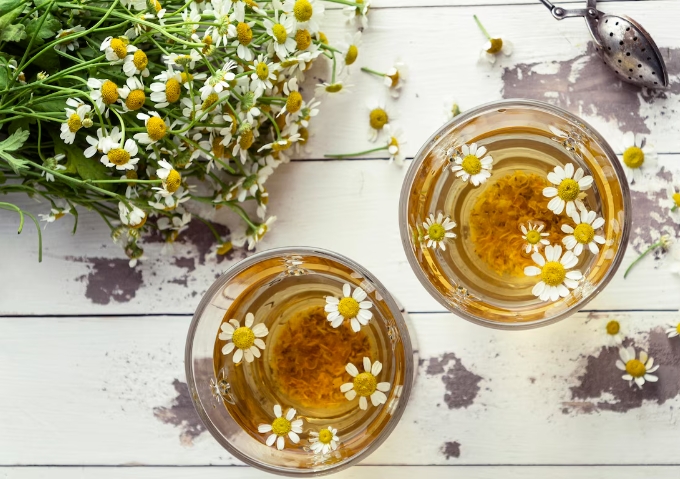
Chrysanthemum Tea(Ju Hua Cha)
Side Effects of Chrysanthemum Tea
Remember to consult your doctor or healthcare provider, especially if you have pre-existing health conditions, and especially if you are allergic to ragweed or daisies — chrysanthemum is a relative of these plants.
The following are some adverse side effects that may occur from drinking chrysanthemum tea:
Causing Allergies: Some individuals may experience adverse reactions such as bloating and gas.
Interactions With Other Chemicals and Drugs: Chrysanthemum tea should be avoided by diabetic patients on insulin medication. People on high blood pressure medications are advised to consult a healthcare provider before drinking chrysanthemum tea for daily use. Also, this tea should be avoided by people who are taking anti-inflammatory, anticancer, and antibacterial medications.
Photosensitivity: You should use sunblock creams if you have fair skin and drink chrysanthemum tea on regular basis. Also, you should wear sunglasses.
Effect Of Chrysanthemum on Pregnancy: Currently, there is no relevant research confirming the adverse effects of chrysanthemum tea on pregnant women and their fetuses. As a precautionary measure, pregnant or nursing women are recommended to consult a healthcare provider before consumption. It is, however, only a precautionary measure. More research is still needed to give a final verdict and to see how the infants are affected by chrysanthemum tea.
FAQ:
Q1: What does Chrysanthemum tea taste like?
A: It has a light, floral taste that feels clean and refreshing. The flavor is mild, not bitter, and many people find it easy to drink even without sweeteners.
Q2: What situations are suitable for trying chrysanthemum tea?
A: It’s a mild caffeine-free floral tea for daily sipping, ideal for people who want a refreshing drink to soothe body and mind in daily life.
Q3: Is chrysanthemum tea caffeine-free?
A: Yes. Chrysanthemum tea does not contain caffeine, which makes it a popular choice in the evening.
Q4: Is it OK to drink Chrysanthemum tea everyday?
A: For many people, it is enjoyed as a regular Chinese herbal tea. If you are trying it for the first time, starting with a small amount is a simple and common approach.