
What Is the Ideal Storage Temperature for Herbs and Tea?
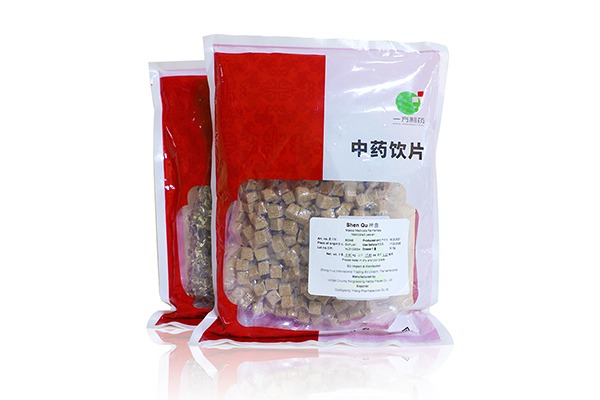
The ideal storage temperature for herbs and tea refers to a controlled and stable range that helps maintain product quality during storage and distribution. For bulk herbal materials and tea products, temperature management plays an important role in reducing the risk of chemical changes, moisture migration, and microbial activity.
Storage temperature influences the stability of natural compounds, including volatile components and characteristic aromas found in herbal materials. When temperatures increase beyond a controlled range, oxidation and evaporation may occur more rapidly, which can lead to changes in color, aroma, and overall material consistency. In contrast, lower temperatures may result in condensation during environmental transitions, increasing the likelihood of moisture exposure.
In addition to temperature range, consistency is a key factor. Fluctuations during warehousing, handling, or transportation can affect packaging performance and create conditions where products are more exposed to oxygen and humidity. Over time, these variations may impact the physical and chemical stability of herbs and tea.
For manufacturing and bulk supply scenarios, the ideal storage temperature for herbs and tea is typically managed as part of a broader storage control approach. This may include temperature monitoring, appropriate packaging selection, and environmental control practices to support product stability throughout the supply chain.
Recommended Temperature Ranges for Different Herbal Forms
The ideal storage temperature for herbs and tea varies depending on the physical form and processing level of the material. In practical applications, different product formats—such as concentrated granules, herbal slices, and extracts—respond differently to temperature conditions during storage and distribution.
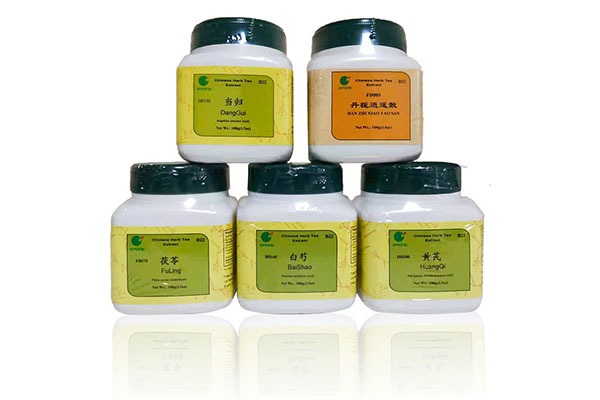
For concentrated herbal granules, including small-pack granules and traditional formula granules, temperature stability is important for maintaining consistency. These products are typically processed and standardized, but exposure to elevated or fluctuating temperatures may still affect moisture balance and overall product uniformity during bulk storage.
Herbal slices, or cut raw materials, have a relatively more stable structure compared to fine powders, but they remain sensitive to long-term environmental changes. When storage temperature is not well controlled, gradual shifts in internal moisture and composition may occur, especially under variable warehouse conditions.
For concentrated herbal extracts, which are often in dense or semi-solid forms, temperature influences both physical stability and handling performance. Variations in temperature may affect texture, flow characteristics, and compatibility with further processing or formulation.
In addition to these forms, tea-based herbal products and packaged blends are more sensitive to temperature-related changes in aroma and sensory properties. Maintaining a consistent storage temperature helps reduce the impact of environmental exposure during transportation and shelf storage.
Overall, the ideal storage temperature for herbs and tea should be adapted based on product form and processing characteristics. In manufacturing and OEM supply scenarios, aligning temperature control strategies with specific product categories supports better stability and reduces variability across batches.
Why Temperature Is the Key Factor in Herbal Storage Stability?

When herbal materials or tea products show issues such as fading aroma, uneven quality between batches, or unexpected moisture changes, storage temperature is often one of the underlying factors.
The reason is simple: temperature influences how fast materials change over time. In a stable temperature environment, herbs and tea tend to maintain their original characteristics more consistently. However, when temperatures rise or fluctuate, even slightly, the rate of change increases. This can gradually affect appearance, aroma, and overall material consistency during storage and distribution.
In bulk storage and OEM supply scenarios, this becomes more noticeable. For example, materials stored under inconsistent temperature conditions may show differences between batches, even when the source and processing are the same. This kind of variation can create challenges for quality control and downstream production.
Temperature also works together with humidity and packaging conditions. When temperature shifts frequently, it can influence how moisture behaves inside packaging, which may lead to subtle changes that are not immediately visible but accumulate over time.
For this reason, the ideal storage temperature for herbs and tea is not only about choosing a suitable range, but also about maintaining consistency. A stable temperature environment helps reduce variability, making product quality more predictable across storage, handling, and supply chain processes.
How Temperature Fluctuations Affects Herbal and Tea Quality?
In many cases, product quality issues are not caused by extreme temperatures, but by frequent temperature fluctuations during storage and transportation.
For example, concentrated herbal granules or OEM health products may appear stable at first, but repeated shifts between warmer and cooler environments can gradually affect their internal balance. Over time, this may lead to subtle differences in texture, flowability, or overall consistency—especially noticeable in bulk handling or large-batch production.
For herbal slices, temperature fluctuations can influence how moisture behaves within the material. Even if the average storage temperature seems acceptable, ongoing changes between day and night conditions or between warehouse and transit environments may result in uneven moisture distribution. This can create variation in appearance or processing performance.
Tea and aroma-sensitive herbal products are even more responsive to these changes. Fluctuating storage temperature may affect how volatile components are retained, which can lead to a gradual loss of characteristic aroma during storage.
From a supply chain perspective, the ideal storage temperature for herbs and tea is not only about maintaining a suitable range, but also about avoiding repeated temperature shifts. A more stable temperature environment helps reduce variability between batches and supports more consistent product quality across storage, transportation, and OEM production processes.
How Humidity Interacts with Temperature in Herbal Storage?
Storage temperature and humidity are closely connected, and understanding their interaction is important for maintaining herbal product stability.
As storage temperature changes, the way air holds moisture also changes. Warmer conditions can increase the amount of moisture in the air, while cooler conditions may lead to condensation when products move between environments. This is particularly relevant for bulk herbal materials and packaged products that go through different storage or transport stages.
For herbal powders and concentrated extracts, this interaction can affect how moisture is absorbed or released. Even small shifts in storage temperature may influence humidity levels around the product, which can impact texture, flow properties, or blending consistency in further processing.
Herbal slices and tea products may respond differently, but they are still affected by the combined influence of temperature and humidity. Inconsistent conditions can lead to gradual moisture imbalance, which may not be immediately visible but can affect product stability over time.
Because of this relationship, managing the ideal storage temperature for herbs and tea also involves considering surrounding humidity conditions. Rather than treating them as separate factors, a coordinated approach to temperature and humidity control helps reduce unexpected changes and supports more stable storage outcomes in real-world supply chain environments.
Impact of Light, Oxygen and Packaging on Herbal Shelf Life
Even when the storage temperature for herbs and tea is kept within a controlled range, product quality can still change if other environmental factors are overlooked—especially light, oxygen, and packaging performance.
For example, herbal tea products and herbal materials with natural aromatic compounds are more sensitive to light exposure. Prolonged exposure to light may gradually affect color and aroma, even if the temperature remains stable. This is why packaging plays a role in maintaining overall stability during storage and transportation.
Oxygen is another factor that works together with temperature. In bulk herbal granules or concentrated extracts, exposure to air over time may contribute to gradual changes in material characteristics. When storage temperature fluctuates, the interaction between oxygen and the product can become more noticeable, particularly in long supply chains.
Packaging acts as the barrier between the product and its environment. For different forms such as herbal slices, granules, or extracts, packaging materials need to perform consistently under varying temperature conditions. If the storage temperature is not stable, packaging performance may also be affected, which can indirectly influence product quality.
In practice, the ideal storage temperature for herbs and tea works together with appropriate packaging and controlled exposure to light and oxygen. Considering these factors as a whole helps reduce variability and supports more stable shelf life outcomes across different product types.
Common Temperature-Related Storage Mistakes in Bulk Handling
In bulk storage and OEM supply environments, temperature-related issues often do not come from extreme conditions, but from small oversights that accumulate over time.
One common situation is assuming that a general warehouse environment is sufficient for all product types. In reality, different forms such as herbal granules, slices, or extracts may respond differently to the same storage temperature. Without considering these differences, variations in product consistency may appear between batches.
Another frequent issue is overlooking temperature fluctuations during transportation. Materials may move between storage areas, transit conditions, and destination warehouses, each with slightly different environments. Even if each stage seems acceptable on its own, repeated changes in storage temperature can gradually affect product stability.
Short-term storage is sometimes treated differently from long-term storage, but temperature consistency is important in both cases. For example, herbal powders or OEM formulations stored temporarily in uncontrolled conditions may still experience changes that affect downstream processing or blending.
There is also a tendency to focus only on average temperature while ignoring variation. However, for herbs and tea, stability is more closely related to how consistent the storage temperature is over time, rather than a single measured value.
Recognizing these patterns helps explain why the ideal storage temperature for herbs and tea is not only about selecting a range, but about maintaining a stable and predictable environment throughout bulk handling processes.
Temperature Control in Bulk Storage and Supply Chains
For manufacturers and bulk suppliers, managing the storage temperature for herbs and tea is part of maintaining consistency across the entire supply chain.
In real-world scenarios, herbal products—whether granules, slices, extracts, or OEM formulations—often pass through multiple stages, including processing, warehousing, transportation, and final delivery. Each stage introduces potential temperature variation, which may influence product stability if not managed consistently.
Rather than focusing on a single storage point, temperature control is typically approached as a continuous process. A stable environment during warehousing, combined with controlled conditions during transportation, helps reduce cumulative changes over time.
For bulk herbal materials, maintaining a consistent storage temperature supports better predictability in quality, especially when products are used in further manufacturing or formulation. Variations between batches can become more noticeable when temperature conditions differ across supply chain stages.
In this context, the ideal storage temperature for herbs and tea is closely linked to consistency rather than isolated control. Aligning temperature conditions across storage and logistics helps reduce variability and supports more reliable product performance in OEM and large-scale supply applications.
Conclusion
Across different forms—such as herbal slices, concentrated granules, extracts, and tea products—temperature influences how materials respond during storage, transportation, and further processing. While each product type has its own characteristics, maintaining a consistent storage temperature helps reduce variability and supports more predictable outcomes.
In practical applications, temperature does not act alone. Its interaction with humidity, packaging, light, and oxygen contributes to overall product stability. Understanding these relationships makes it easier to identify potential risks and maintain quality across different stages of the supply chain.
For bulk handling and OEM production, focusing on stability rather than short-term conditions provides a more reliable approach. A consistent storage temperature for herbs and tea helps support uniformity between batches and reduces unexpected changes during long-term storage and distribution.