Cinnamon is familiar as a spice, but cinnamon extract is a different type of ingredient. Once cinnamon bark enters an extraction process, factors such as raw-material identity, extraction conditions, concentration, drying, and quality control become important.
For manufacturers purchasing cinnamon extract in bulk, the key question is not simply “What is cinnamon extract?” but “What kind of cinnamon extract do I need, and how can I make sure it matches my application?”
This article explores cinnamon extract from raw materials, manufacturing, specifications, applications, and B2B sourcing.
From Cinnamon Bark to Cinnamon Extract
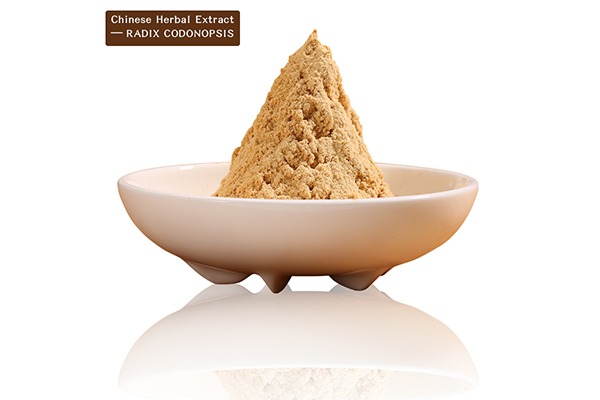
Cinnamon raw material is the starting point. Botanical identity, plant part, sourcing, and traceability must be confirmed. Incoming inspection before extraction helps ensure consistency.
Extraction is a concentration and separation process. It differs from simply grinding cinnamon into powder. Method and process parameters influence the physical and chemical characteristics of the finished ingredient.
Key specifications include extract ratio, physical form, appearance, solubility or dispersibility, moisture, and microbiological parameters.
Not All Cinnamon Extracts Suit the Same Application
Powdered formulations require attention to powder handling, particle characteristics, mixing, packaging, and storage.
Liquid formulations focus on solubility, compatibility with the base formula, and storage or transportation conditions.
In herbal and botanical formulations, compatibility with other ingredients and clear specification alignment matter.
Food, beverage, and flavor applications emphasize format, solubility, and regulatory requirements for the target market.
What Determines the Specification?
Raw material factors include botanical source, plant part, origin, and storage conditions.
Extraction process covers solvent or medium, parameters, concentration, and process controls.
Drying and finishing involve concentration before drying, drying method, powder processing, sieving, and packaging.
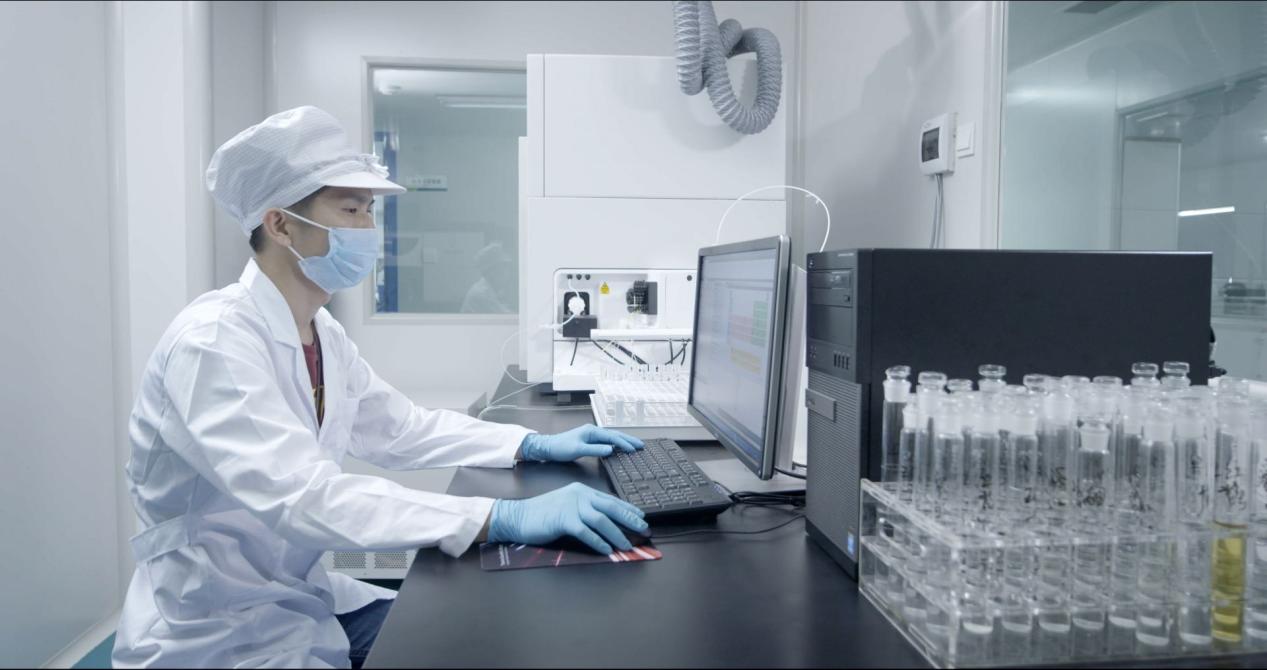
Finished-product testing typically includes identity, physical and chemical parameters, moisture, microbiological limits, and batch consistency.
What Belongs on a Product Specification?
Identity and botanical information: product name, botanical name, plant part, and extract description.
Physical characteristics: appearance, color, odor, form (powder or liquid), and solubility where relevant.
Quality parameters: moisture, microbiological limits, and contaminant limits required by the application.
Documentation: Certificate of Analysis, specification sheet, batch information, and applicable quality or regulatory documents.
Questions Buyers Should Ask
- Can the raw material be traced through botanical identification, source, and incoming inspection?
- Can the manufacturer produce to a defined extract ratio, form, solubility, and testing profile?
- How is each batch tested, and is a Certificate of Analysis provided?
- Can the ingredient be adjusted through sample evaluation, scale-up, and packaging options?
Why Choose E-FONG Pharmaceutical Be Your Partner?
The workflow moves from raw-material preparation through extraction, concentration, drying, quality control, and packaging.
Production occurs in a 5000+ square meters GMP standard workshop with 300,000-level clean rooms supporting an annual output of 200 tons of TCM granules. Australian Drug Administration GMP approval enables worldwide sales. An efficient EPR system supports manufacturing, inventory, and monitoring.
E-FONG can work from a customer specification on sample evaluation, customized processing, bulk production, packaging, and documentation.
Conclusion
Cinnamon extract characteristics depend on raw material, extraction, concentration, drying, specifications, and quality controls. Defining application and required specification first gives B2B buyers a clearer basis for evaluating samples, documentation, and production capability.