
What is Chinese medicine powder?
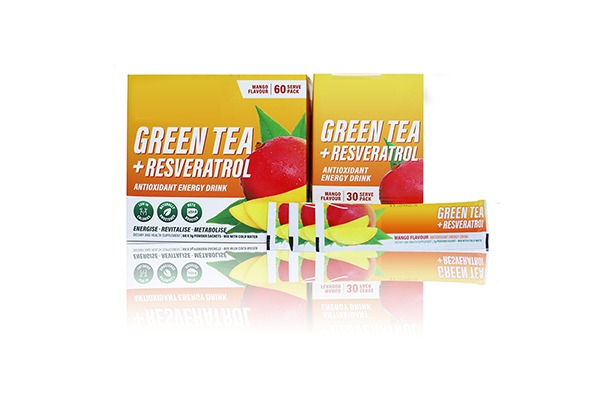
Chinese medicine powder, also referred to as Chinese herbal powder, is a form of traditional herbal preparation made by processing raw herbal materials into fine powder or granules. It is commonly used in both individual applications and bulk supply formats due to its convenience in storage, transportation, and handling.
Compared with traditional decoctions, Chinese medicine powder does not require prolonged boiling, which makes it more adaptable to modern usage scenarios. In contrast to capsules or tablets, herbal powder typically contains fewer additional processing steps and can be used in a more flexible way, depending on preparation methods.
While different forms of herbal powder vary in texture and processing, they are generally selected based on formulation requirements and usage preferences rather than standardized formats. The choice between Chinese herbal powder, decoctions, or capsules depends on practical considerations such as convenience, storage conditions, and intended use.
Common Usage Scenarios of Chinese Medicine Powder
Chinese medicine powder is commonly used in daily wellness routines due to its convenient form and flexible application. In traditional practice, its use is typically based on individual conditions and guided by qualified professionals rather than general selection.
For example, according to the Chinese Pharmacopoeia, Chinese yam (Shan Yao) is described as “supplementing the spleen and nourishing the stomach, generating fluids and benefiting the lung,” while Poria (Fu Ling) is recorded as “promoting urination and leaching dampness, strengthening the spleen and calming the mind.” When these ingredients are included in Chinese herbal powder formulations, they may be considered in related wellness contexts under professional guidance.
Chinese medicine powder may also be used in seasonal adjustment or daily balance scenarios, depending on formulation design. However, it should not be applied as a universal solution, and individualized evaluation remains important for responsible use.
Common Herbal Ingredients in Chinese Medicine Powder
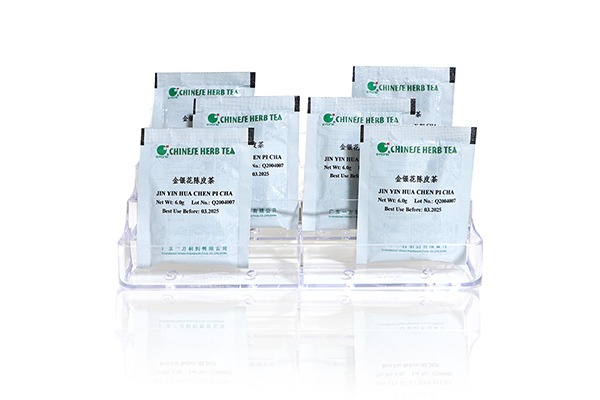
Chinese medicine powder formulations often include a range of traditional ingredients, depending on formulation requirements. Common examples found in Chinese herbal powder include licorice (Gan Cao), Chinese yam (Shan Yao), and Poria (Fu Ling), which are widely documented in official references.
According to the Chinese Pharmacopoeia, licorice is described as “tonifying the spleen and replenishing qi, clearing heat and detoxifying, and harmonizing other herbs.” Chinese yam is recorded as “supplementing the spleen and nourishing the stomach, generating fluids and benefiting the lung,” while Poria is described as “promoting urination and leaching dampness, strengthening the spleen and calming the mind.”
These descriptions are based on traditional records and are used as reference information in herbal powder formulation. The inclusion of specific ingredients in Chinese medicine powder typically depends on formulation design and professional evaluation rather than general selection.
Forms and Preparation of Chinese Medicine Powder
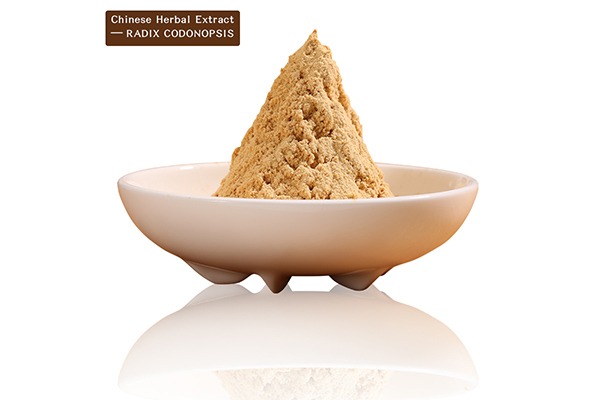
Chinese medicine powder is available in several forms, including fine powder, granules, and instant herbal powder, each designed for different usage preferences. Fine powder is typically produced by grinding raw materials into a uniform texture and is commonly mixed with warm water before use.
Granulated Chinese herbal powder is usually processed for improved solubility, allowing it to dissolve more easily in water. Instant herbal powder may undergo additional processing steps to enhance convenience in preparation and handling, especially for modern usage scenarios.
The selection of Chinese medicine powder forms depends on practical factors such as storage conditions, transportation, and ease of use. For bulk buyers and distributors, differences in processing methods and packaging formats are also important considerations when choosing suitable herbal powder products.
Important Safety Considerations for Chinese Medicine Power
When using Chinese medicine powder, safety should always be a primary consideration. Chinese herbal powder formulations are typically designed based on specific combinations of ingredients, and users should avoid mixing different herbal powder products without professional guidance.
Certain groups, including pregnant individuals, those with chronic conditions, or those currently taking other products, should consult qualified professionals before using Chinese medicine powder. This helps ensure that the selected herbal powder is appropriate for individual circumstances.
During use, attention should be paid to any unusual reactions. If discomfort occurs, it is recommended to discontinue use and seek professional advice. Following proper usage guidance and avoiding self-directed adjustments are important steps in ensuring responsible and compliant use of Chinese herbal powder.
How to Choose Qualified Chinese Medicine Powder?
Choosing qualified Chinese medicine powder requires careful evaluation of several key factors. For both individual users and B2B buyers, the origin of raw materials is an important consideration, as sourcing can affect consistency and traceability of Chinese herbal powder products.
Compliance with recognized standards, such as the Chinese Pharmacopoeia, is another essential aspect. Reliable suppliers of Chinese medicine powder should be able to provide relevant documentation to demonstrate adherence to established quality requirements. In addition, product testing and quality control processes help ensure that herbal powder meets basic safety and specification standards.
Professional support is also an important factor. Suppliers or service providers who can offer formulation guidance or technical information may help users better understand how Chinese herbal powder is selected and used in different scenarios.
About YIFANG Pharmaceutical
YIFANG Pharmaceutical is an enterprise focused on full-ingredient herbal extraction, with over 30 years of development experience. Its products have been applied in a wide range of usage scenarios, with accumulated use exceeding 1.2 billion person-times. The company operates in accordance with national GMP regulations and Australian TGA quality standards, with business coverage across more than 30 countries and regions.
The production facility includes a GMP-standard workshop of over 5,000 square meters and a 300,000-level clean room, supporting an annual output of 200 tons of Chinese medicine powder and granules. YIFANG Pharmaceutical also provides OEM services for customized Chinese herbal powder formulations based on client requirements.
In terms of quality control, raw materials are inspected according to the Chinese Pharmacopoeia, including variety identification and impurity testing. The full production process follows standardized quality control procedures, supported by a CNAS-certified laboratory and an ERP system for production and inventory management.
Additional Lifestyle Considerations
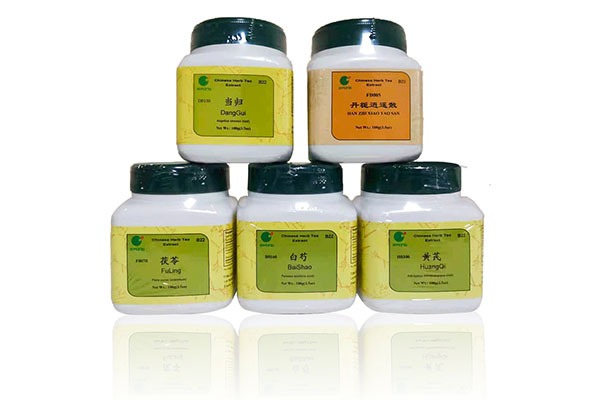
Choosing qualified Chinese medicine powder requires careful evaluation of several key factors. For both individual users and B2B buyers, the origin of raw materials is an important consideration, as sourcing can affect consistency and traceability of Chinese herbal powder products.
Compliance with recognized standards, such as the Chinese Pharmacopoeia, is another essential aspect. Reliable suppliers of Chinese medicine powder should be able to provide relevant documentation to demonstrate adherence to established quality requirements. In addition, product testing and quality control processes help ensure that herbal powder meets basic safety and specification standards.
Professional support is also an important factor. Suppliers or service providers who can offer formulation guidance or technical information may help users better understand how Chinese herbal powder is selected and used in different scenarios.
FAQs about Chinese medicine powder
Q1: What herbs should not be mixed together in tea?
In herbal tea preparation, different herbs should not be combined arbitrarily. Some ingredients may have conflicting properties or may not be suitable for the same usage context. It is advisable to follow established formulations or seek professional guidance before mixing herbal ingredients.
Q2: What herbs should not be mixed together in tea?
A: In herbal tea preparation, different herbs should not be combined arbitrarily. Some ingredients may have conflicting properties or may not be suitable for the same usage context. It is advisable to follow established formulations or seek professional guidance before mixing herbal ingredients.
Q3: What herbs should not be mixed together in tea?
A: In herbal tea preparation, different herbs should not be combined arbitrarily. Some ingredients may have conflicting properties or may not be suitable for the same usage context. It is advisable to follow established formulations or seek professional guidance before mixing herbal ingredients.
Q5: What is the Chinese herb for malaria?
A: Certain herbs have been historically studied in relation to malaria, but their use is subject to strict medical and regulatory frameworks. Herbal materials should not be used independently for this purpose without proper medical supervision.
Q6: What is the Chinese herb for malaria?
A: Certain herbs have been historically studied in relation to malaria, but their use is subject to strict medical and regulatory frameworks. Herbal materials should not be used independently for this purpose without proper medical supervision.
Conclition: Key Takeaways For Rational Use
Chinese medicine powder is a widely used form of traditional herbal preparation, valued for its flexibility and convenience in different usage contexts. When selecting Chinese herbal powder, it is important to focus on product quality, sourcing standards, and supplier reliability rather than generalized assumptions.
Users should approach Chinese medicine powder based on specific needs and professional guidance, as formulations are typically designed for individualized use. Safety considerations, including proper usage and avoiding self-directed combinations, remain essential throughout the process.
In addition, Chinese herbal powder is often considered as part of broader daily routines, alongside consistent lifestyle habits. By paying attention to selection criteria, usage context, and safety awareness, users and buyers can better understand how Chinese medicine powder fits into practical and compliant use scenarios.